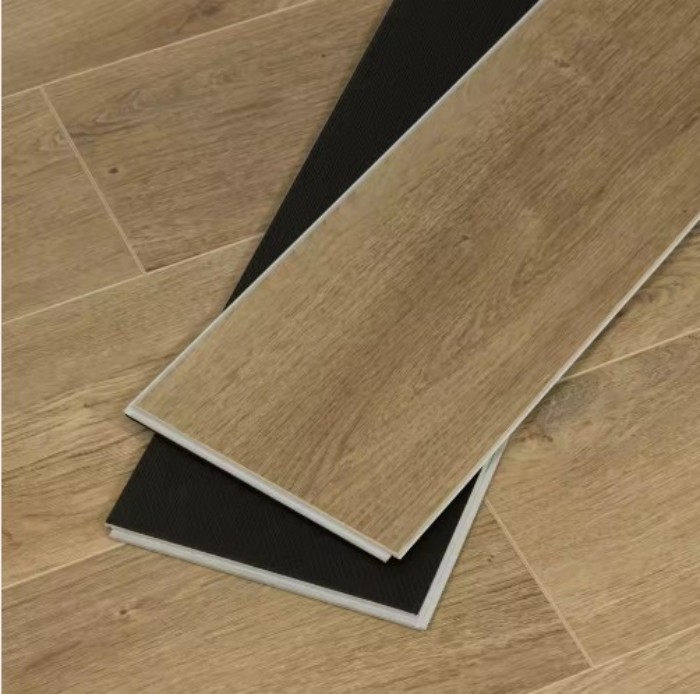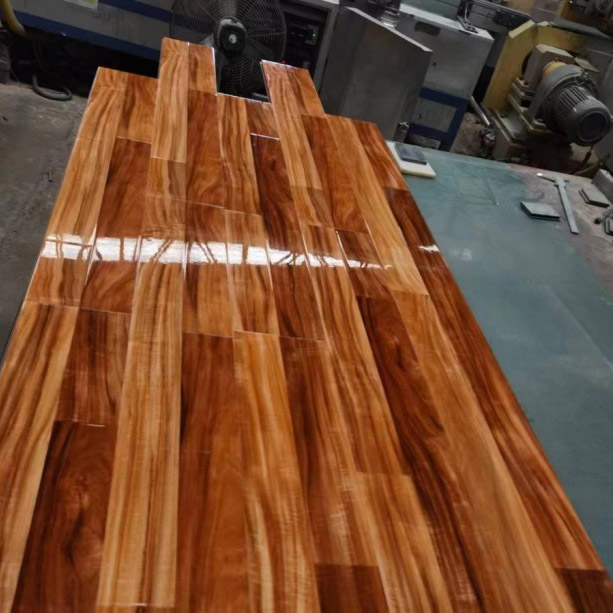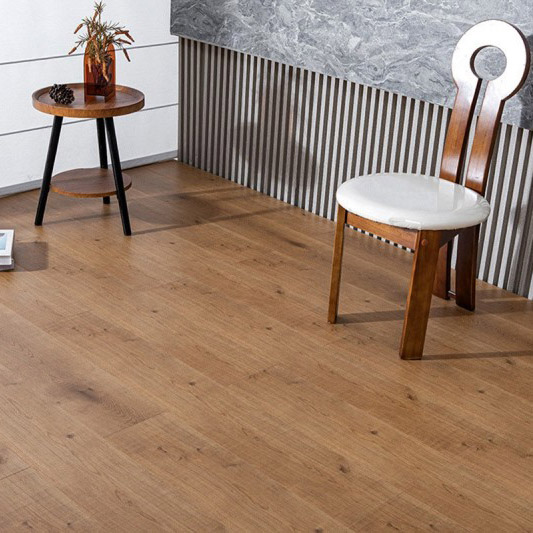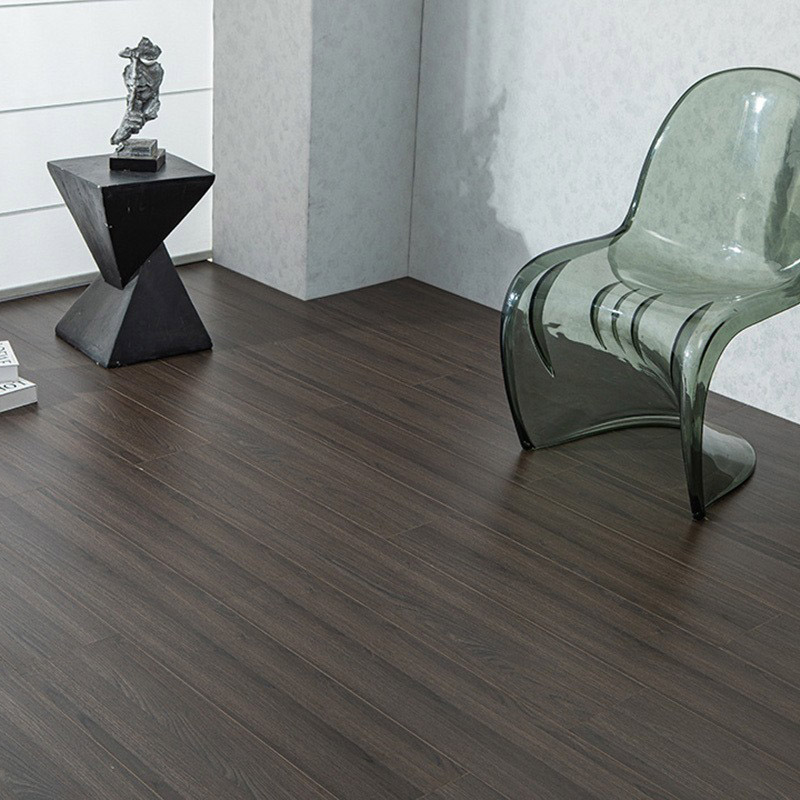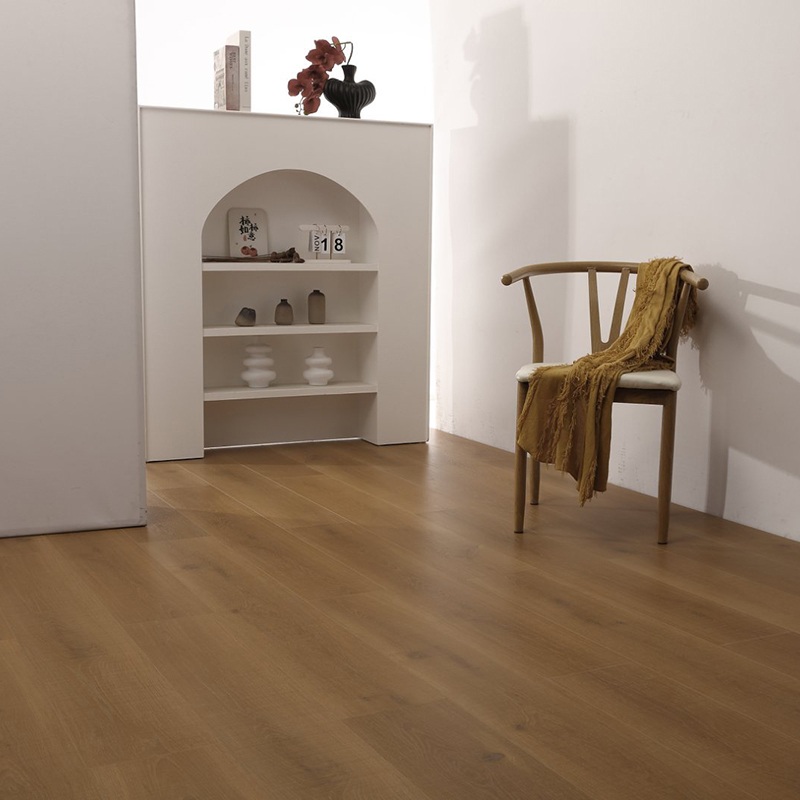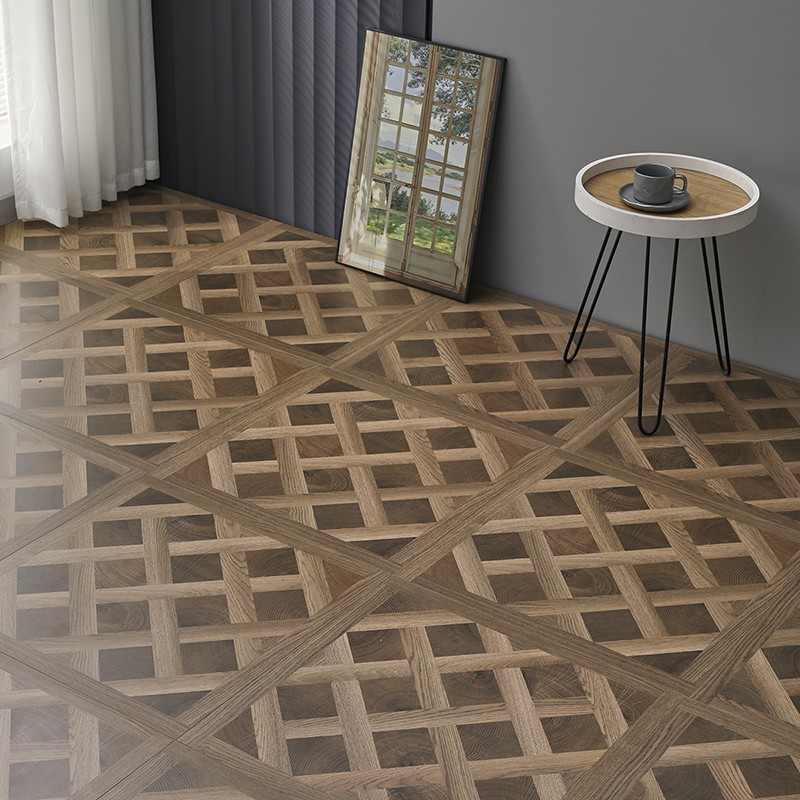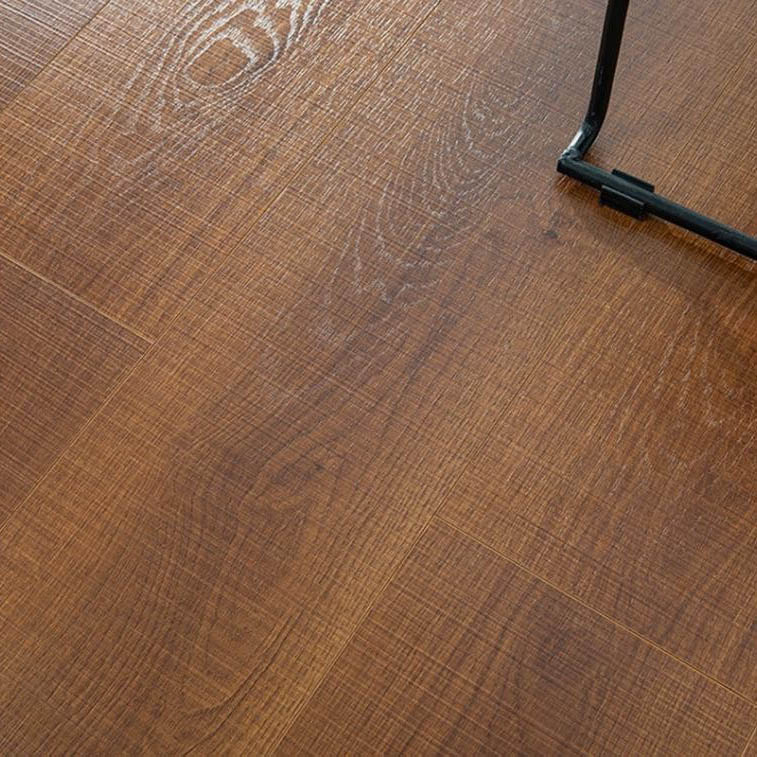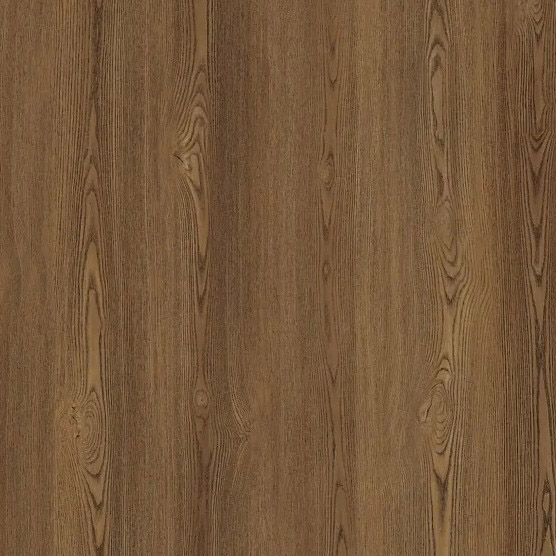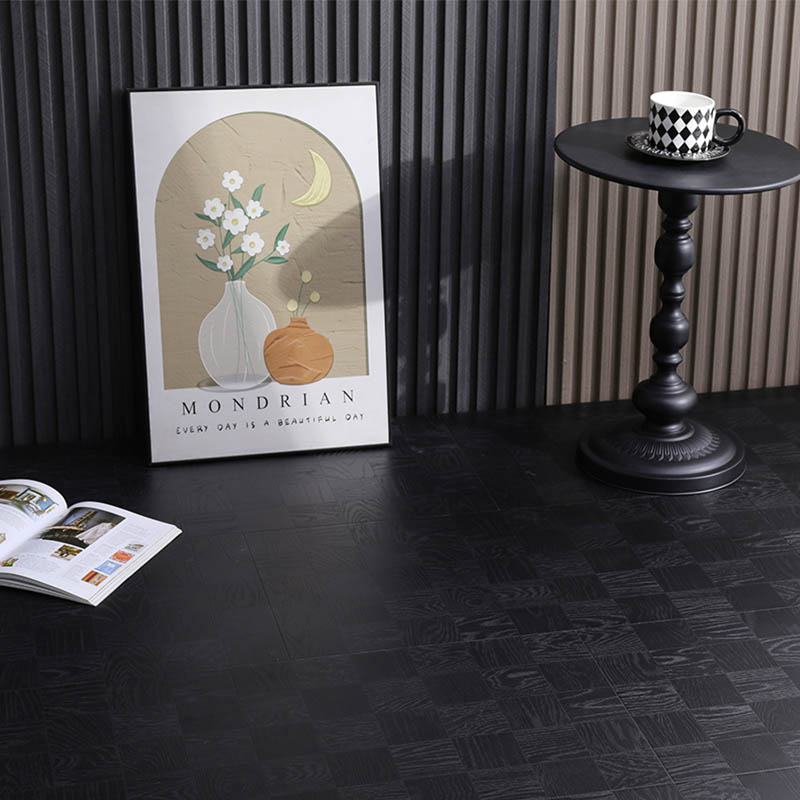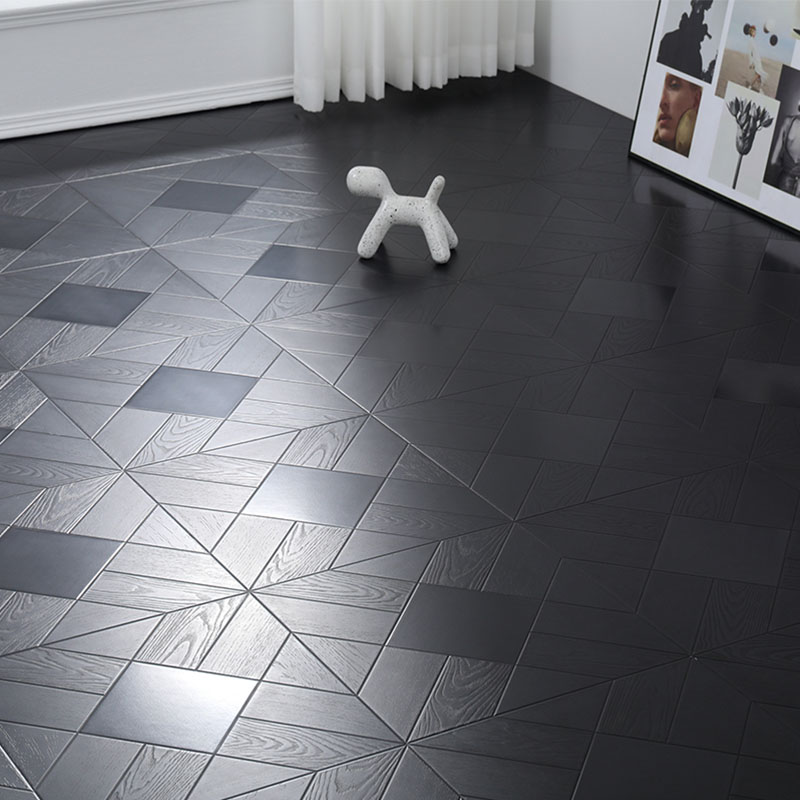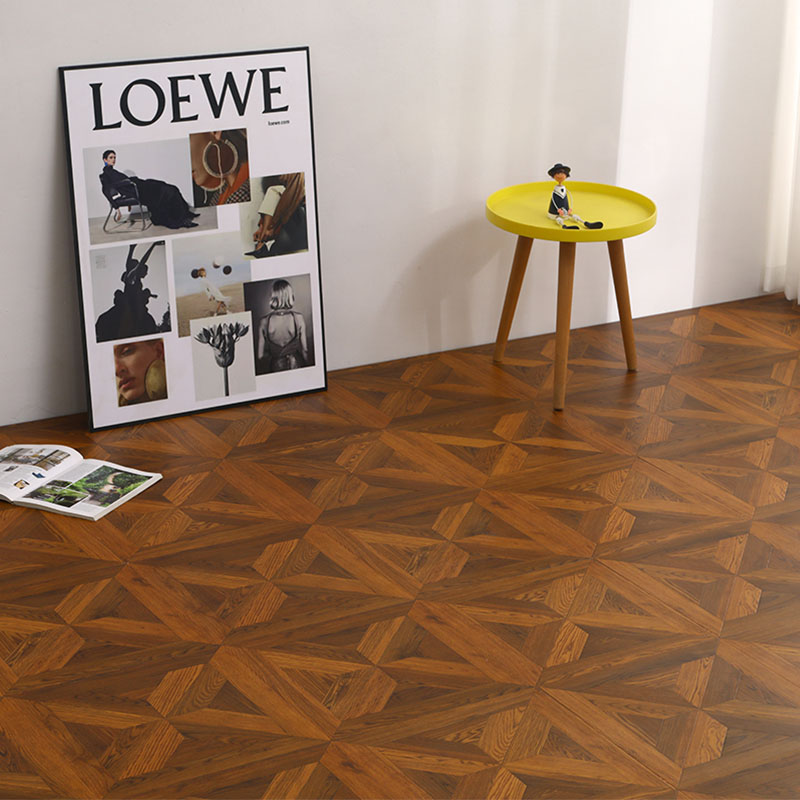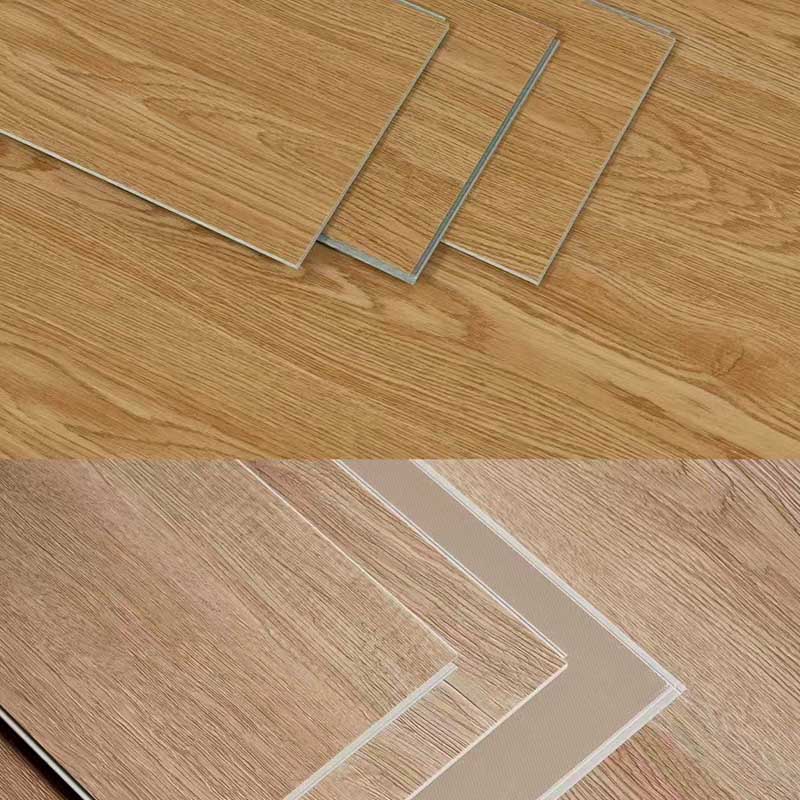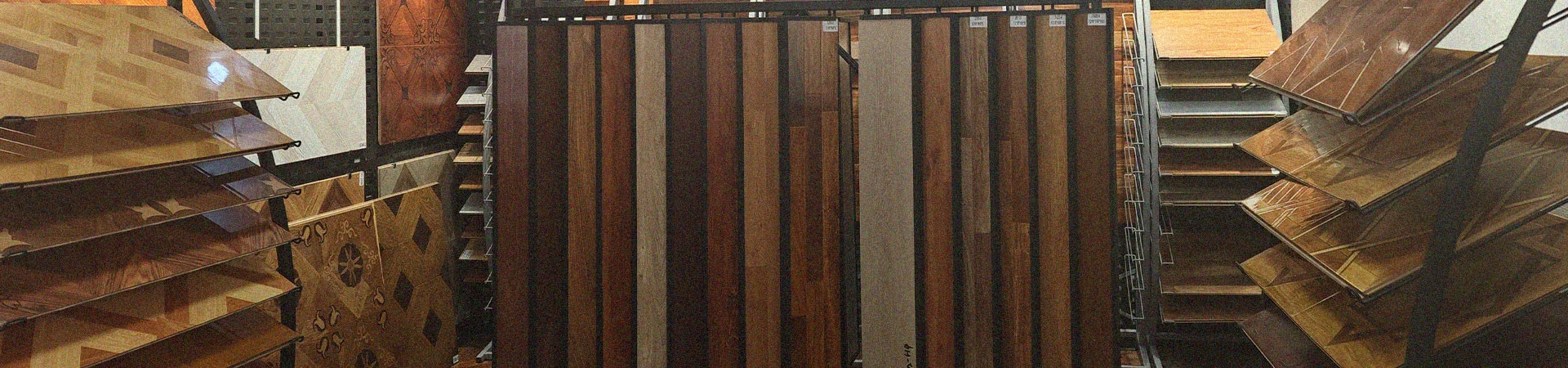
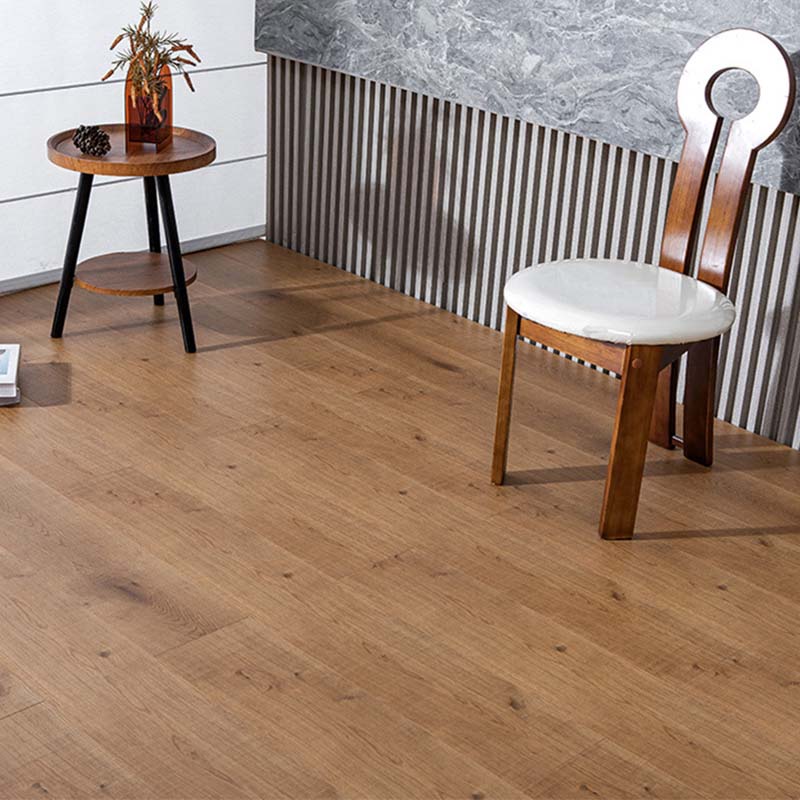
Conventional laminate flooring with one specification change: a waterproof wax seal applied to plank edges and click profiles during production. That joint is where water normally enters a laminate floor — the wax film reduces penetration and lowers the risk of edge swelling from spills and humid indoor conditions. Substrates: MDF, MHDF, HDF. Thickness: 7 / 8 / 10 / 12 mm. Wear class: AC1 – AC5. Manufactured by Shandong Mingzun New Materials Co., Ltd. — 10+ years laminate export, OEM and private label supported, lead time 30 days after deposit. Request samples.
Buyers searching for a "waterproof laminate" are usually dealing with one of two situations: a kitchen or hallway where occasional spills need to be tolerated, or a project where the client has been told laminate cannot handle humidity at all. This product addresses the first case. It is not a waterproof core, and it does not replace SPC in a bathroom. It is laminate with a treated joint — the component most often responsible for edge swelling when liquid reaches a floor. Read the wax seal section below before quoting it as fully waterproof.
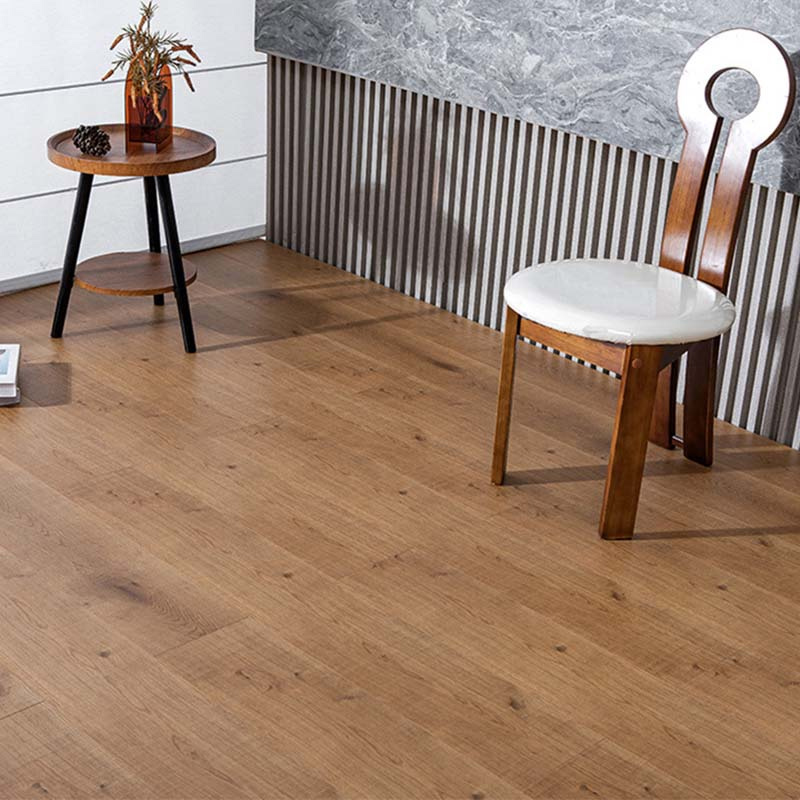
Final specifications, wear class, substrate, dimensions and warranty conditions should be confirmed against the selected product configuration and order documents.
This distinction matters more than any other specification on this page. It is the difference between an accurate product claim and a warranty dispute in the destination market.
The wax seal is an edge treatment. Prolonged standing water can still reach the wood-based substrate and may cause swelling — particularly where the floor is exposed to unsuitable installation conditions, continuous moisture, or maintenance that leaves water sitting on the surface. For bathrooms, laundry areas, or any space with standing water, specify SPC flooring rather than laminate. We state this plainly because mis-selling this product as fully waterproof is the fastest route to a dispute.
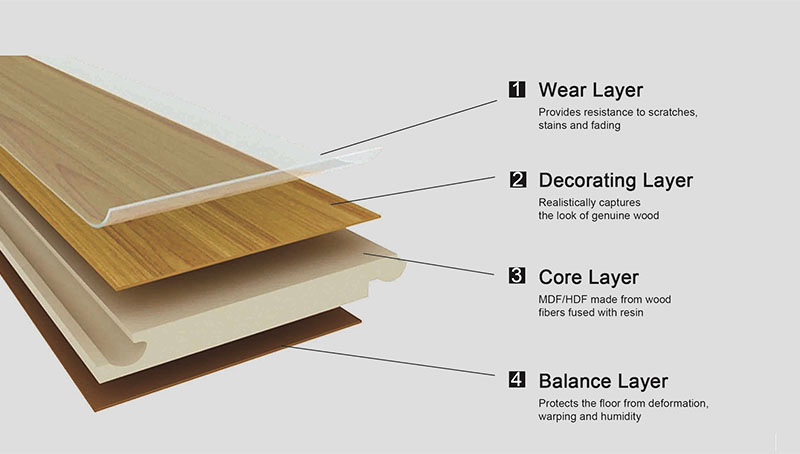
Four layers. The substrate determines how much structural stability the board has; the wax seal determines what happens at the joint.
Transparent overlay with abrasion resistance set by the AC class. Choose this against actual site traffic, not the surface look.
Printed décor in one of seven finishes. On EIR options the embossing is registered to the printed grain, so relief follows the wood texture.
MDF, MHDF or HDF — density and moisture tested per batch before lamination. This is where the click profile is machined.
Bottom balancing paper offsets internal tension from the upper layers and reduces the risk of arching over a full heating season.
HDF density is one factor among several. Thickness, substrate moisture, machining accuracy and installation conditions all affect the finished floor.
Suited to budget-oriented residential projects where the floor is not expected to take heavy point loads. Lower density than HDF, so not recommended for commercial use or continuous load on the click profile.
The middle option between MDF and HDF. Reasonable stability for residential use with a lower raw-material cost than HDF. Choose where a project needs better stability than MDF but cannot justify HDF pricing.
Available at ≥730 kg/m³ and ≥800 kg/m³. Higher density gives a more stable base for machining the click profile and holding board geometry under load. Standard recommendation for export orders crossing climate zones.
For export orders, substrate moisture is the specification most often overlooked. Wood-based panels respond to temperature and humidity changes during storage, transit and installation. Buyers should confirm the required moisture specification, the test method and the packaging conditions with us before production — not after the container has shipped.
AC classification is not the only selection factor. Substrate density, surface construction, installation conditions and expected traffic should all be considered together. Confirm the available range against the actual test report for the configuration you intend to order.
Low-traffic residential: bedrooms, closets.
General residential with moderate daily use.
Higher-use residential and selected light commercial.
Heavy residential and general commercial applications.
Higher-traffic commercial where the specified product has been tested for this class.
For bulk orders the key question is not how one sample looks — it is whether the same dimensions, surface appearance and click performance hold across the entire production batch.
Incoming MDF, MHDF and HDF boards are checked for dimensions, surface condition and material characteristics. For HDF products, density and moisture-related requirements are controlled against the selected specification.
Decorative paper, wear-resistant layer and balancing layer are bonded to the wood-based substrate under controlled temperature and pressure. Process parameters are adjusted per substrate, surface finish and product specification.
Laminated boards are cut to required dimensions and processed into the specified square-edge, V-groove or U-groove profile. Dimensional consistency is controlled because variations in length, width or thickness affect installation and finished-floor alignment.
Plank edges are precision-machined to form the specified click system — Arc Click, Single Click, Double Click or Välinge Click. Profile accuracy directly affects joint engagement during installation.
Finished flooring is checked against the applicable product specification. Inspection may cover dimensions, appearance, surface condition, edge profile and click-lock performance.
Cartons, pallets, internal protection and loading arrangements are adjusted to order requirements and overseas transport conditions. Private-label packaging available.
From that, we evaluate the requested configuration, confirm production feasibility, and agree sampling requirements and applicable technical specifications before bulk production.
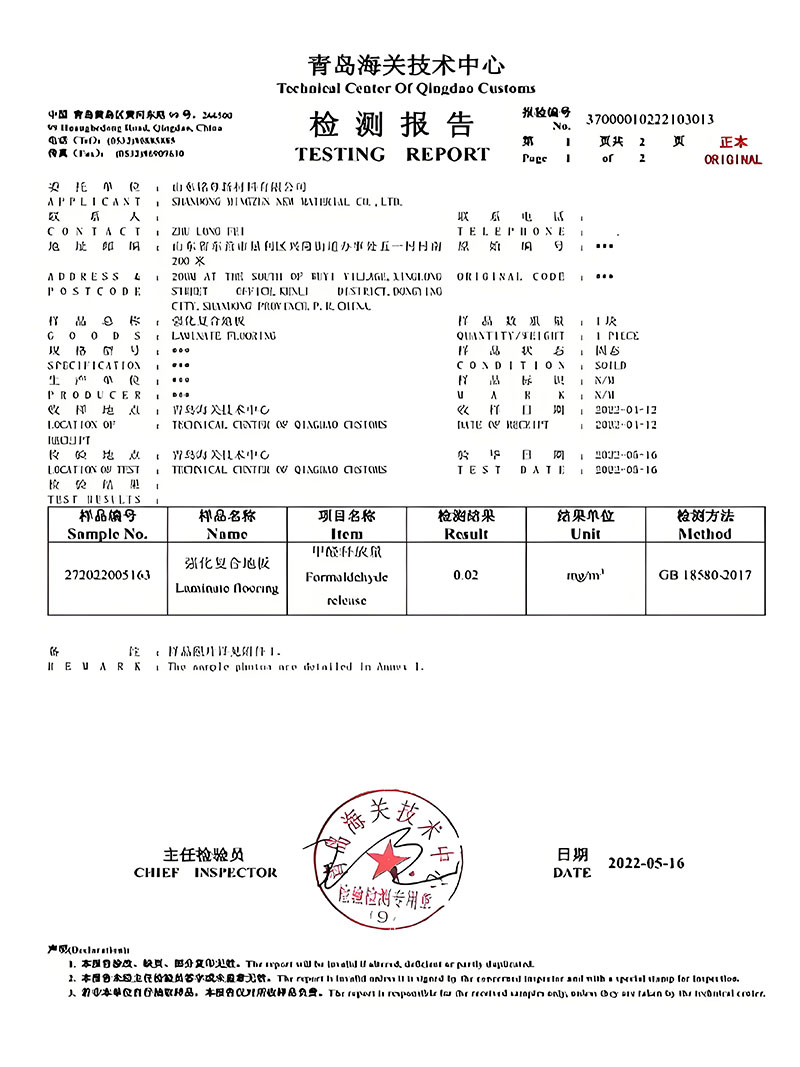
Certification scope and validity should be confirmed against the current certificates and the specific flooring configuration before being used for a project, tender or market-compliance claim.
For project orders, applicable test reports and technical documents can be confirmed according to the target market and product specification. Ask for current certificate copies with your quotation.
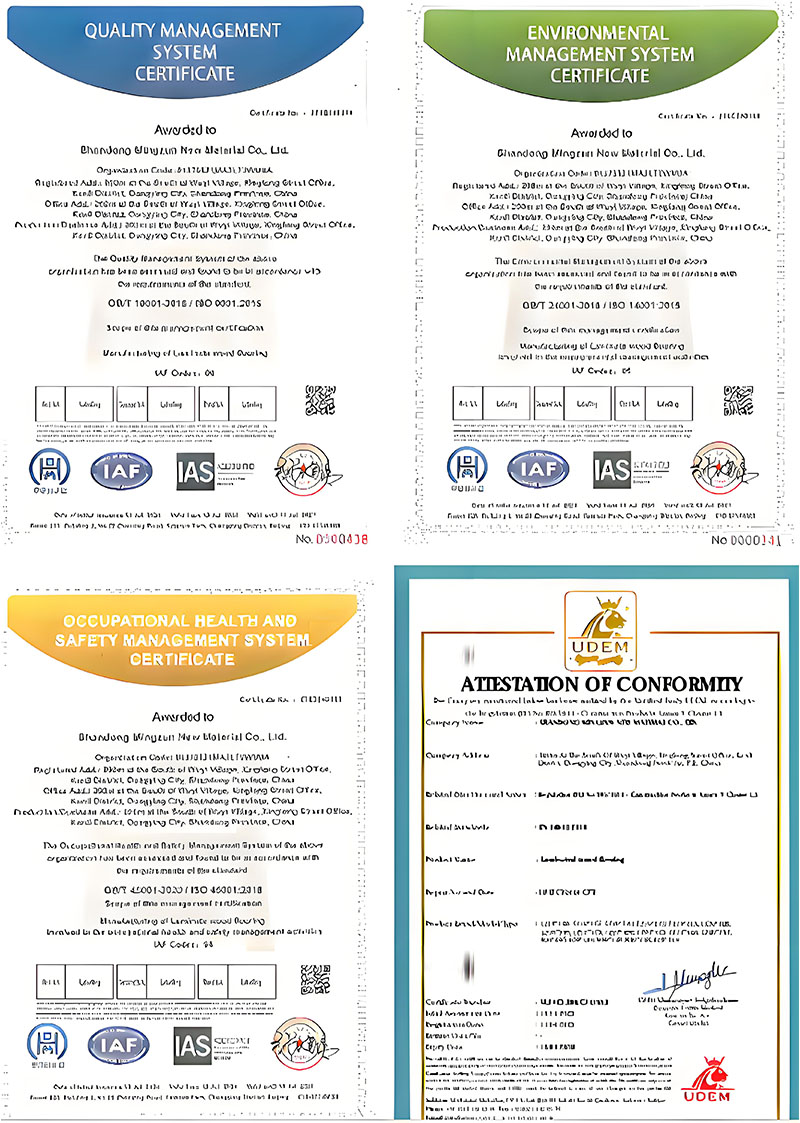
We are the manufacturer. Certificates are issued to Shandong Mingzun New Materials Co., Ltd. — not a trading entity.
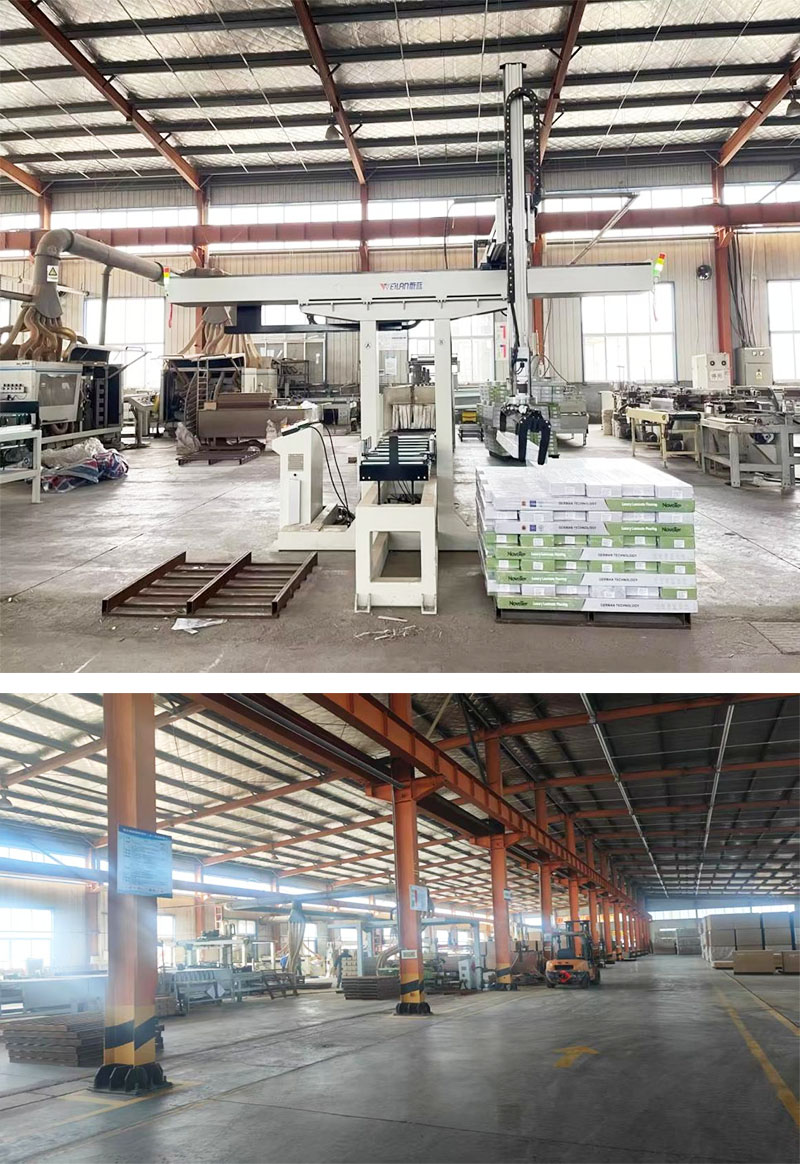
Quality control runs across substrate inspection, lamination, machining, surface inspection and final packaging — with attention to the dimensional and locking consistency that matters for batch flooring orders. Ask for the inspection record with your order.
MDF, MHDF and HDF substrates, four thicknesses, five wear classes and seven surface finishes let buyers develop different specifications for residential and commercial markets from one supplier. The full range is on our laminate flooring category page.
No. The waterproof wax seal is applied to plank edges and click-lock profiles to improve resistance to moisture entering through the joints. It is not a 100% waterproof core, and prolonged standing water may still affect the wood-based substrate. For fully wet areas, specify SPC.
Available thicknesses are 7 mm, 8 mm, 10 mm and 12 mm. The suitable thickness depends on the application, substrate, traffic level and project specification.
We supply MDF, MHDF and HDF substrate configurations. HDF options are available at densities of ≥730 kg/m³ and ≥800 kg/m³, depending on the selected product.
AC2 – AC3 for lower-traffic residential areas. AC3 – AC4 for higher-use residential. AC4 – AC5 for commercial applications, where the selected configuration has been tested for the required class. Final selection should also consider substrate, thickness, surface construction and traffic level.
Yes. Samples can be provided for product evaluation. For OEM projects, the sample should be confirmed against the required substrate, thickness, surface finish, click-lock system and other specifications before bulk production.
Shandong Mingzun New Materials Co., Ltd. is the manufacturer, with its own production line and R&D team. Certificates are issued to the manufacturing entity, which can be verified.
Goods can be dispatched within 30 days after receipt of deposit. Actual lead time should be confirmed according to product configuration, order quantity, packaging requirements and production schedule. We confirm the schedule in writing with the order.
Wire transfer (T/T) and letter of credit (L/C) are available. Final payment terms are confirmed in the quotation or sales contract.
Before production, confirm the thickness, substrate, core density where applicable, board dimensions, AC wear class, surface finish, edge profile, click-lock system, packaging, quantity and required technical documents.
Target market, board size, thickness, substrate, wear class, decorative design, surface texture, edge profile, click-lock system, packaging format and estimated order quantity. From that, we evaluate the requested configuration and confirm sampling and production requirements.
Send your target market and required configuration — thickness, substrate, wear class, surface finish and packaging — and we will respond with a quotation and sample arrangement. Contact us here.
Address
200 meters south of Wuyi Village, Xinglong Subdistrict Office, Kenli District, Dongying City, Shandong Province, China
Tel