Products
HOME > Products

Durable LVT Flooring for Wholesale Suppliers

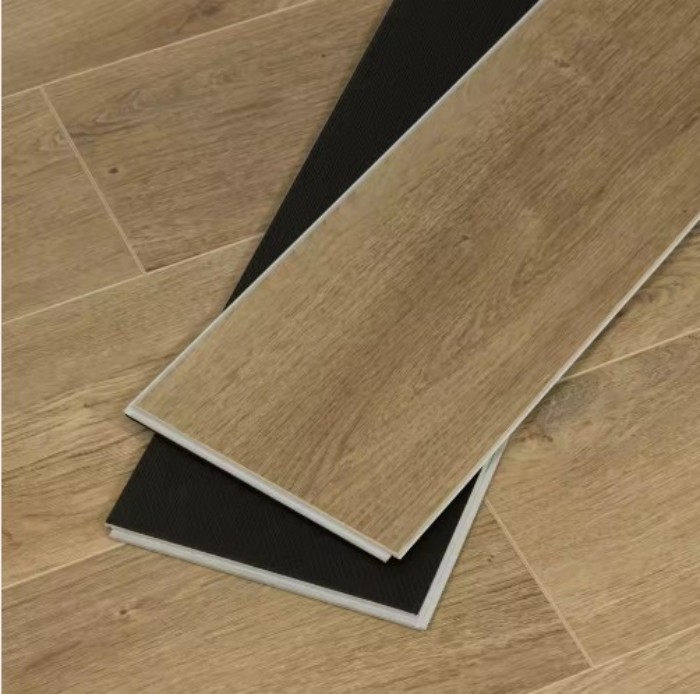
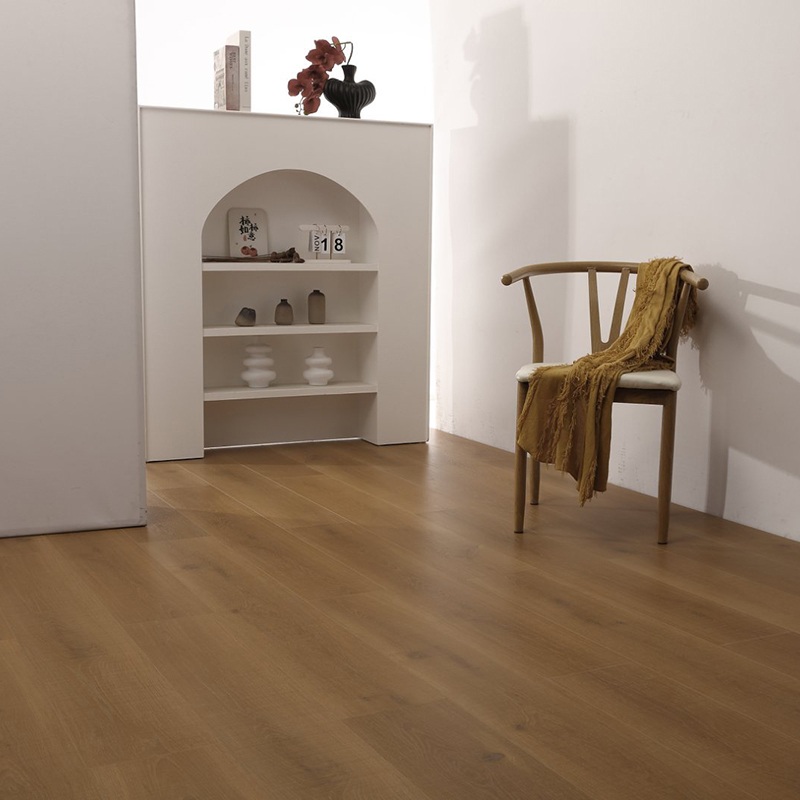
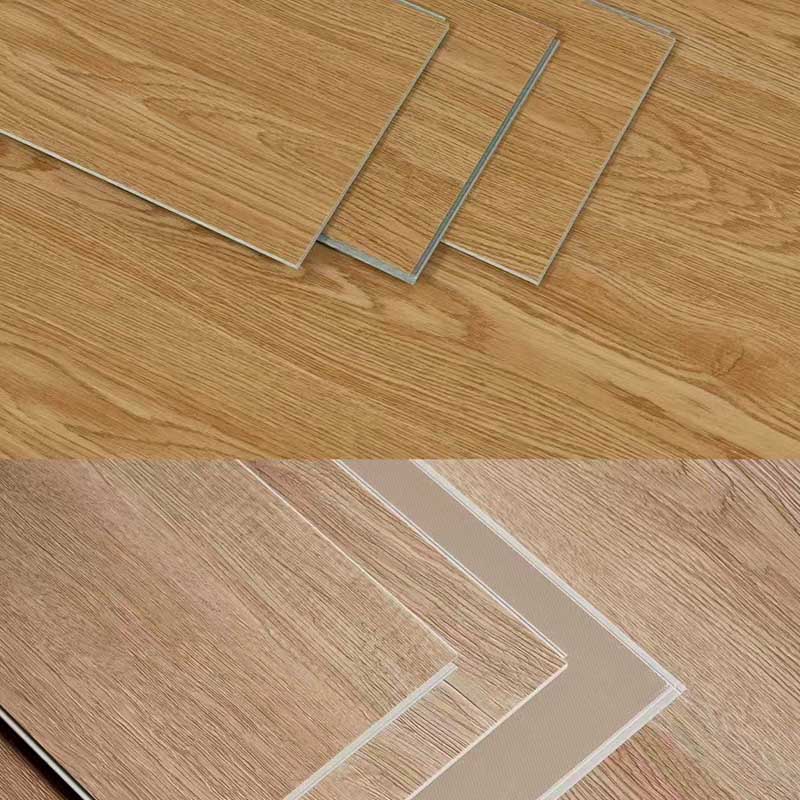
LVT Flooring is the only type of flooring that can be bent, folded, or rolled up. LVT flooring can be laid on old tiles, slightly uneven concrete floors, and in rooms where solid wood and engineered wood floors are prone to warping or cracking.

Total thickness2.0 – 5.0 mm
Wear layer0.20 – 0.70 mm
CoreVirgin PVC + limestone
FormaldehydeNone — no wood, no resin

Four LVT Builds

The decor film is the same across all four. What changes is how the plank is backed and how it goes down on the floor. Most buyers pick the wrong one first, then find out after the first container.

Dryback

The original LVT format. A thin, flexible plank — usually 2.0–3.0mm total — is bonded to the subfloor with full-spread adhesive. The floor becomes part of the substrate, so it doesn't move, expand, or shift. This is the format commercial contractors have used for decades in hospitals, airports and retail.

The catch: once it's glued, it stays glued. Removing and replacing it means scraping, adhesive removal and floor prep again. That's fine for a 10-year hospital refit; it's a bad choice for a rental apartment where the tenant might want to change the look in three years.

Total thickness2.0 – 3.0 mm
Wear layer0.30 – 0.70 mm
Plank size914 × 152 mm typical
Subfloor tolerance≤ 2 mm over 2 m
RemovabilityDifficult
Best forCommercial, high traffic
Buyer tip

If your customer is a commercial contractor, this is the only format they'll accept. Residential buyers usually don't want it — they hear "glue" and think permanent, and they're right.

Click-Lock (Floating)

A rigid LVT plank — usually 4.0–5.0mm — with a milled click profile on all four edges. Planks lock to each other and the whole floor floats over an underlayment. No adhesive, no nails, no subfloor penetration. This is what most residential buyers want today.

The trade-off: because it floats, the floor has a slight hollow feel underfoot compared to dryback, and a heavy load like a full bookshelf can make it shift slightly. For residential living rooms and bedrooms, neither is a problem. For a hotel corridor with luggage carts, dryback is still the safer choice.

Total thickness4.0 – 5.0 mm
Wear layer0.20 – 0.50 mm
Plank size1220 × 180 mm typical
Subfloor tolerance≤ 3 mm over 2 m
RemovabilityEasy — lift and reinstall
Best forResidential, DIY, rentals
Buyer tip

Click LVT + IXPE underlayment is the single best-selling combination we ship. If a buyer is unsure, we default to this and ask questions later.

Loose Lay

A thicker, heavier plank — usually 4.5–5.0mm — designed to stay down by friction alone. No adhesive, no click, no underlayment. You place the planks, they grip the subfloor, and they stay put. Replacing a single damaged plank takes about thirty seconds.

This format is popular in retail showrooms and short-term rental properties where flooring needs to be replaced or reconfigured quickly. The limitation is that it requires a very smooth, non-slip substrate — a rough or dusty concrete slab will let the planks slide.

Total thickness4.5 – 5.0 mm
Wear layer0.30 – 0.50 mm
Plank size1220 × 180 mm typical
Subfloor tolerance≤ 1 mm over 2 m
RemovabilityImmediate — no tools
Best forShowrooms, pop-ups, rentals
Buyer tip

We don't recommend loose lay for large residential projects. Once the novelty of easy replacement wears off, buyers realize the planks shift when furniture is moved.

Self-Adhesive (Peel & Stick)

A thin LVT with a factory-applied adhesive covered by a release film. Peel the backing off and press the plank down. This is the cheapest LVT format we produce and the easiest to install — no tools, no underlayment, no waiting for adhesive to cure.

The honest limitation: peel-and-stick LVT is designed for 5–7 years of service, not 15. The adhesive is pressure-sensitive and can lift at edges in high-moisture rooms or in rooms with big temperature swings. If a buyer is looking at a 15-year floor, we steer them away from this format even though it's the cheapest one we sell.

Total thickness2.0 – 2.5 mm
Wear layer0.15 – 0.20 mm
Plank size914 × 152 mm typical
Subfloor tolerance≤ 1 mm over 2 m
RemovabilityEasy but adhesive residue remains
Best forShort-term, budget fit-outs
Buyer tip

If a customer asks for "the cheapest LVT you have," this is it — but tell them the realistic lifespan upfront. It's easier to sell them a 5mm click floor and have them come back in three years than to sell them peel-and-stick and have them unhappy in eighteen months.

What Determines How Long LVT Lasts

Total thickness is what buyers ask about. Wear layer thickness is what actually determines lifespan. A 4mm plank with a 0.20mm wear layer will wear out faster than a 3mm plank with a 0.50mm wear layer, because the top layer is what takes the abrasion.

01

UV-cured coating 3–8 µm

Protects the decor film from sun fade. Cheap LVT skips this or applies a coat too thin to measure. It's the first layer to fail — you see it as a yellow tint or a dull patch in front of a window after 12 months.

02

Wear layer 0.20 – 0.70 mm

The number that matters. 0.20mm for bedrooms and light residential; 0.30mm for standard residential; 0.50mm for retail and hospitality; 0.70mm for hospitals and airports. Below 0.20mm we don't produce — the plank fails within two years and comes back as a complaint.

03

Decorative film 80–120 µm

High-definition printed wood or stone pattern. EIR (embossed in register) matches the surface texture to the printed grain, so knots and grain lines actually feel raised. Non-EIR LVT has a generic texture stamped over the film, which looks fine in a photo and obviously wrong in a room.

04

Core layer 1.5 – 4.0 mm

Virgin PVC blended with limestone and stabilizers. This is what gives LVT its flexibility. If the core uses recycled PVC or too much filler, the plank becomes brittle at low temperatures and can crack when a heavy object is dropped on it in a cold room. Our core is 100% virgin PVC.

05

Backing optional

IXPE foam, EVA foam, or a fiberglass reinforcement layer. IXPE is worth the extra cost — it doesn't compress flat after two years the way EVA can. On dryback LVT the backing is usually a fiberglass mat that prevents the plank from stretching during installation.

Where LVT Performs

LVT flooring is often advertised as "suitable for any room." However, this isn't entirely true. While it works in most rooms, there are some that are less suitable. Here's a real-world overview of LVT flooring suitability, from best to worst:

Best fit Acceptable Poor fit Don't install
Living rooms & bedrooms
Click-lock, 0.30mm wear — ideal
Kitchens
Waterproof core; silicone perimeter seal recommended
Basements & laundry
Best option when slab moisture is under control
Offices & retail
Dryback, 0.50mm wear — commercial spec
Bathrooms (residential)
Works, but seams are not a water barrier — seal the perimeter
Underfloor heating
Compatible up to 27°C surface temp; acclimatize 48h
Sunrooms & conservatories
Thermal cycling and UV cause the wear layer to fail early
Wet rooms & showers
Standing water against seams. Use tile.
Outdoor spaces
No interior LVT is outdoor-rated. If a supplier claims it is, ask for the test.

Specifications

ProductLVT — Luxury Vinyl Tile
CoreVirgin PVC + limestone + stabilizers
FormatsDryback / Click-lock / Loose lay / Self-adhesive
Thickness2.0 / 2.5 / 3.0 / 4.0 / 4.5 / 5.0 mm
Wear layer0.15 / 0.20 / 0.30 / 0.50 / 0.70 mm
Plank size914 × 152 / 1220 × 180 / 1220 × 228 mm; custom available
Surface finishEIR wood / stone texture / hand-scraped / matte / brushed
EdgeMicro-bevel / painted bevel / square edge
Water resistanceWaterproof core; seams require perimeter seal in wet rooms
Fire ratingB1 (GB 8624) / Bfl-s1 (EN 13501-1)
Slip resistanceR10 standard / R11 for wet zones
FormaldehydeNone — no wood, no resin binder
CertificationISO 9001 / ISO 14001 / ISO 45001 / CE
MOQ1 × 20GP; mixed formats allowed up to 3 per container
PackagingCustom carton, branded print, buyer language

LVT vs SPC vs WPC — The Three Vinyls, Compared Honestly

We produce all three. Here's the actual difference in one table — not the marketing version:

LVT SPC WPC
Core Flexible PVC + limestone Rigid limestone + PVC PVC + wood flour foamed
Flexibility High None Moderate
Feel underfoot Softer, warmer, closer to real wood Hard, closer to tile In between — warmer than SPC
Subfloor tolerance Needs smooth substrate unless dryback Bridges 3mm over 2m Similar to SPC
Water resistance Waterproof core Waterproof core Waterproof core
Underfloor heating Up to 27°C (click only) Up to 27°C Up to 27°C
Installation Glue, click, loose or peel Click only Click only
Best for Realistic look, warm feel, retrofit over tile Bathrooms, basements, commercial, humid climates Higher-end residential where foot feel matters
Relative FOB cost Mid Mid – high High

Questions From Buyers

Can I install LVT over old tile?
Over ceramic or porcelain tile: yes, if the grout lines are filled and smoothed first and the tile is firmly bonded. A cementitious skim coat or a flexible patching compound takes about an hour per room. Skip the smoothing step and the grout lines will telegraph through the plank within a few months, and it will look obvious in any room with side-light.
Is LVT actually waterproof?
The plank is. The floor assembly isn't. The core doesn't absorb water, so spills wipe clean and the plank won't swell. But water can still get between planks and sit on the subfloor — that's a subfloor problem, not a flooring problem. In a bathroom, a laundry room or a basement, seal the perimeter with silicone and wipe up standing water within a few hours. That's the difference between a floor that lasts 15 years and one that lasts 5.
Why is your LVT more expensive than the cheapest on Alibaba?
Three differences you can't see in a photo: (1) we use virgin PVC in the core — recycled PVC makes the plank brittle at low temperatures and gives it a slight chemical smell that never fully goes away; (2) our wear layer is measured, not estimated, and we don't produce below 0.20mm; (3) our decor film is EIR (embossed in register) on higher-grade patterns, which is a separate tooling cost per design. If a supplier can't tell you their wear layer thickness in microns and show you a cross-section photo with a caliper, they're guessing.
Does LVT scratch?
Less than laminate at the same wear class, but yes, it scratches. The wear layer resists abrasion well; it resists sharp point loads less well. Sand and grit tracked in from outside cause most of the damage — doormats at every external entrance solve 80% of it. For pets, choose 0.30mm wear layer or thicker and keep claws trimmed. Deep gouges from dropped knives or dragged furniture cannot be repaired invisibly; you replace the plank.
Do you do OEM and private label?
Yes — about 65% of our LVT export volume is OEM. Custom carton printing, your logo on the plank back, custom plank sizes, custom wear layer thicknesses, exclusive decor development. New decor development takes 30–40 days plus MOQ. Send us a reference sample or a photo and we'll tell you straight whether we can match it, and at what MOQ.
What's the MOQ and lead time?
MOQ is one 20GP. Mixed formats and decors allowed up to 3 per container without extra charge. Standard decors in stock ship in 15–20 working days after deposit. Custom decor: 25–30 days. Chinese New Year adds roughly 2 weeks — we flag this at the quote stage, not after you've paid.
Can I get samples?
A4-sized samples ship free; you cover courier (typically $30–50 via DHL, 5–7 days). If you place a bulk order afterward, we deduct the courier cost from the invoice. Full-box samples carry a small product fee.

Tell us the room, the subfloor and the budget — we'll tell you which LVT build fits.

Most buyers get this wrong on the first order. One email usually saves a container.

Replies within 12 working hours. Samples ship within 48 hours.
View as  
 
Versailles Luxury Vinyl Tile Flooring

Versailles Luxury Vinyl Tile Flooring

Shandong Mingzun's Versailles Luxury Vinyl Tile Flooring features a parquet pattern with a registered embossed surface that enhances the texture of natural wood. It is 100% waterproof and available with AC4 or AC5 wear resistance. The flooring supports click-lock or dry-back glue-down installation, offers good dimensional stability, and is suitable for underfloor heating. It is designed for residential and commercial interior applications.
As a reliable LVT Flooring manufacturer and supplier in China, we have our own factory. If you want to buy high-quality Flooring, please contact us.
X
We use cookies to offer you a better browsing experience, analyze site traffic and personalize content. By using this site, you agree to our use of cookies. Privacy Policy
RejectAccept