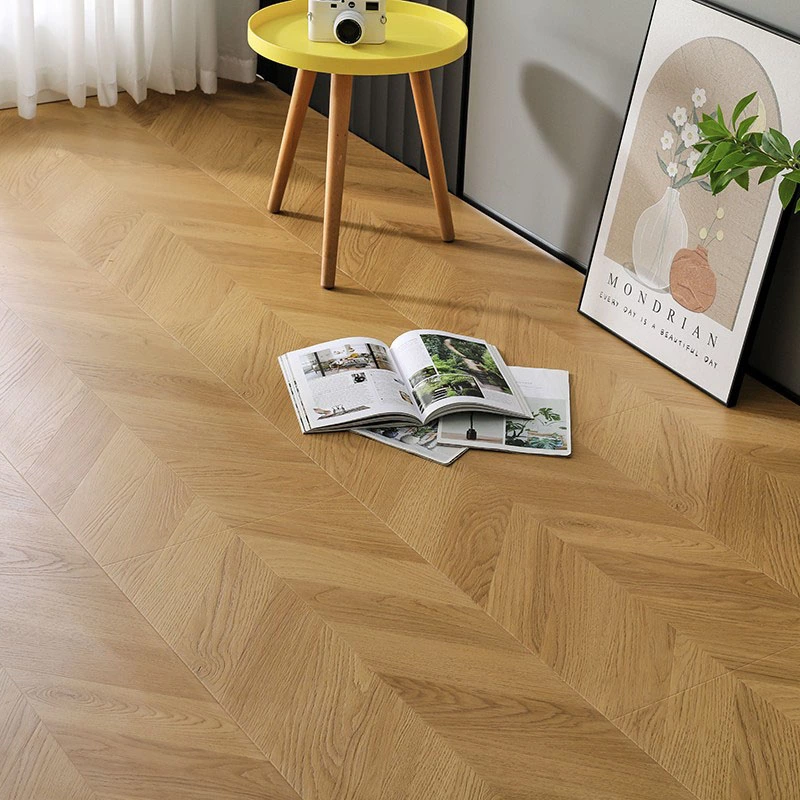
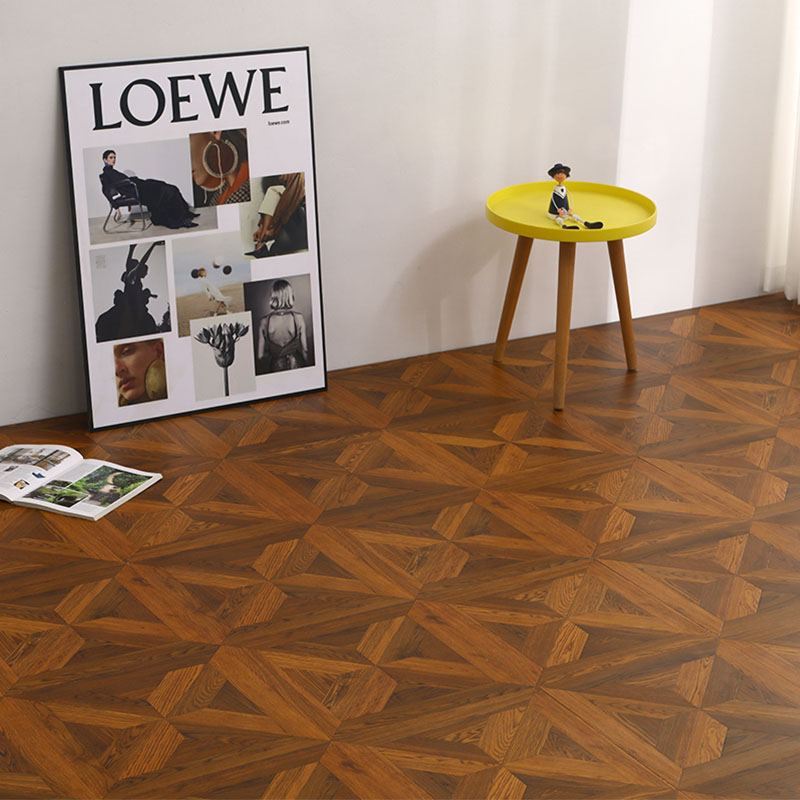
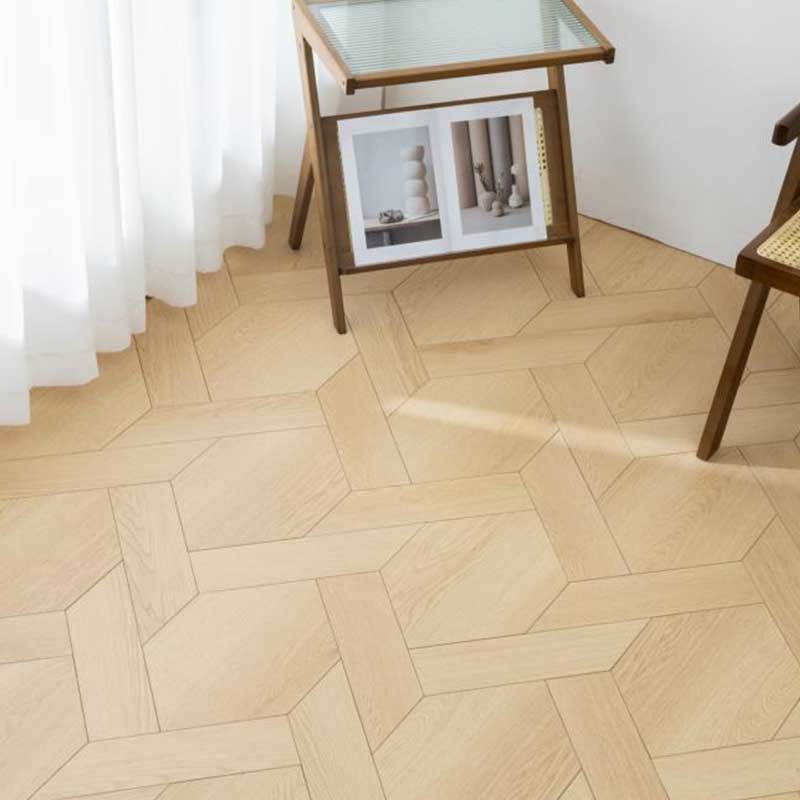
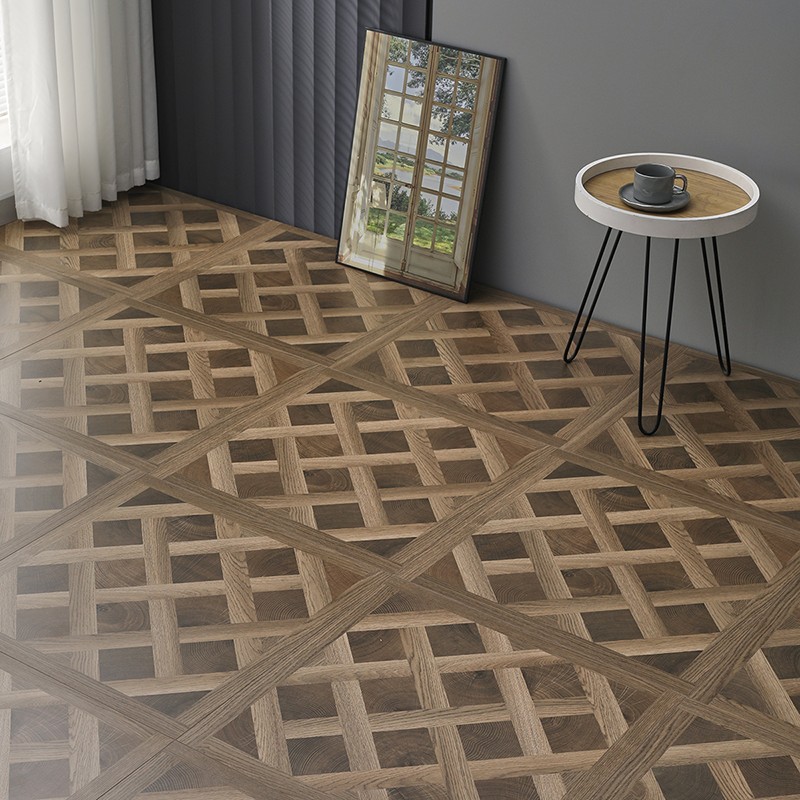
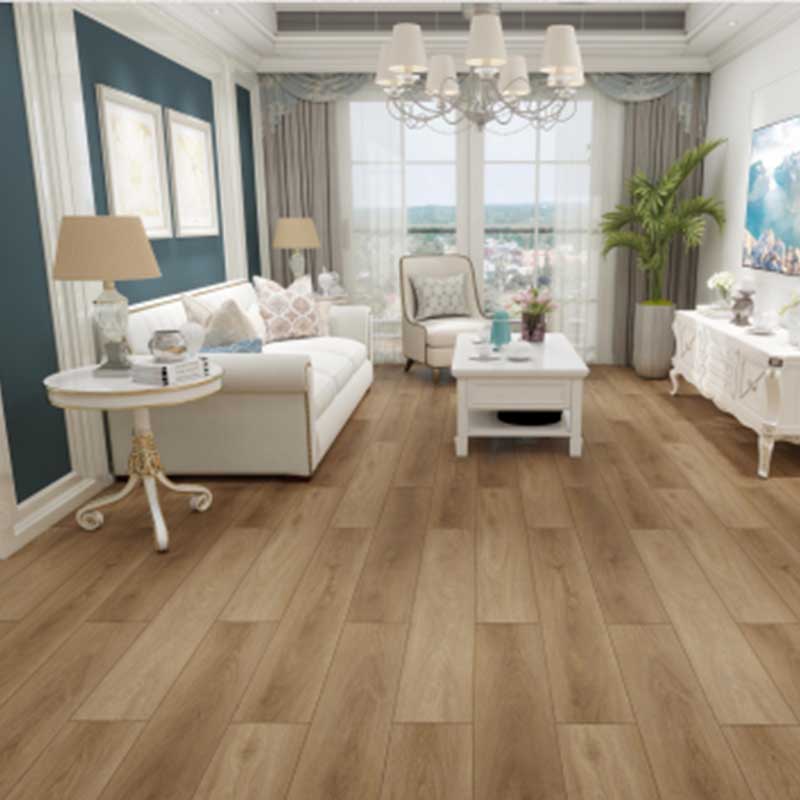
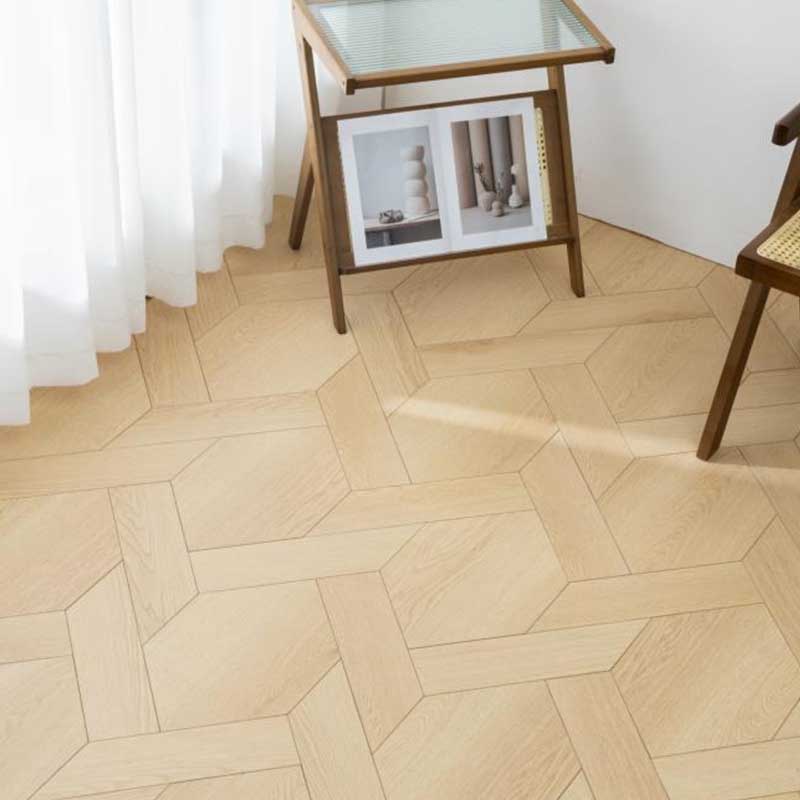
As a professional flooring brand, Mingzun offers decorative laminate flooring solutions that combine distinctive visual appeal with practical performance. Chinese Knot Pattern Laminate Flooring brings the elegance of traditional Chinese motifs into contemporary interiors, helping homeowners, designers, distributors, and commercial project buyers create distinctive spaces with a balance of cultural character and modern functionality.
Chinese Knot Pattern Laminate Flooring is an attractive option for interior projects that require more than a conventional wood-look floor. Inspired by the interwoven lines and symbolic beauty of traditional Chinese knots, this decorative flooring style introduces geometric detail, visual rhythm, and a distinctive cultural identity. When combined with the practical characteristics of laminate flooring, it offers an appealing solution for residential interiors, hospitality projects, retail environments, and selected commercial spaces. This guide explores the design concept, key advantages, suitable applications, material selection considerations, installation preparation, and maintenance practices to help buyers make informed flooring decisions.
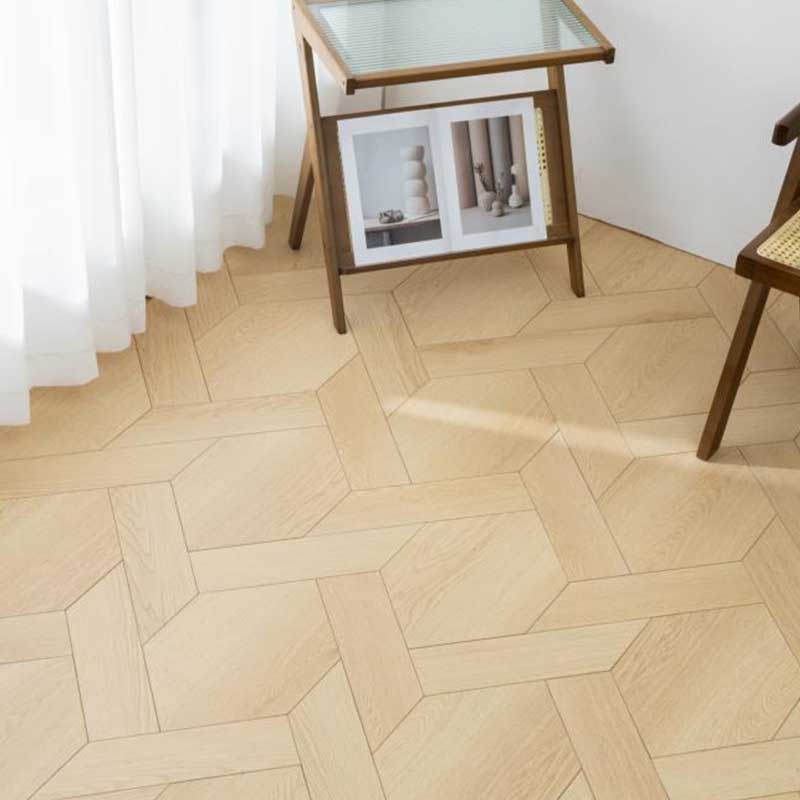
Chinese Knot Pattern Laminate Flooring is a decorative flooring concept inspired by the intricate, interlocking forms of traditional Chinese knotting. Chinese knots are widely recognized for their continuous lines, balanced structures, and associations with harmony, connection, and good fortune. Translating these motifs into a flooring design creates a surface that can function as both a practical building finish and a prominent interior design feature.
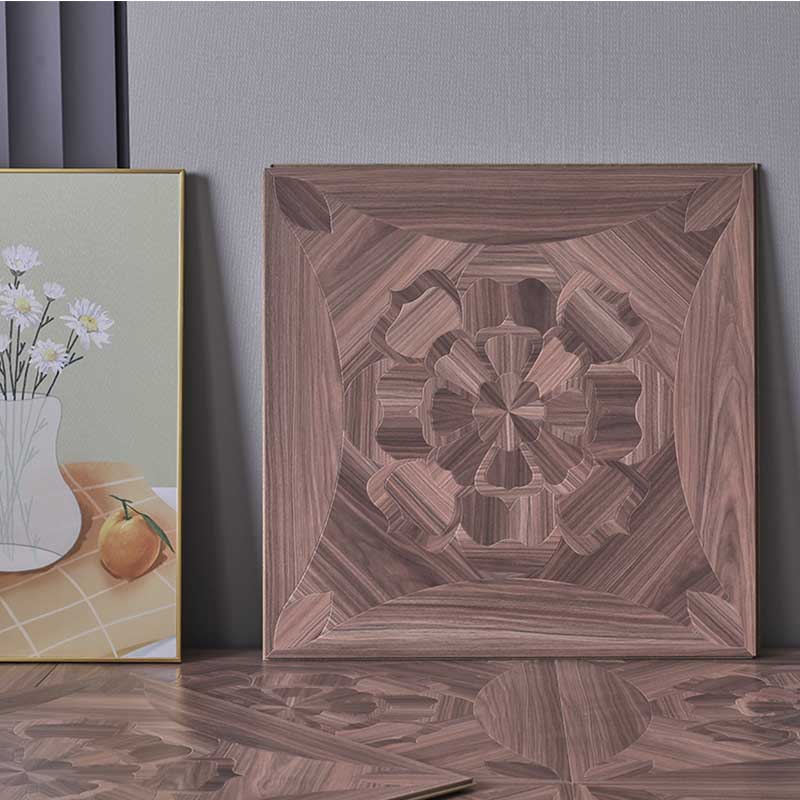
Unlike conventional flooring with repetitive straight wood-grain lines, a knot-inspired pattern emphasizes symmetry, geometry, and the visual relationship between individual floor sections. Depending on the design, color palette, and layout, the finished floor can complement traditional Chinese interiors, contemporary spaces, boutique hospitality environments, and eclectic residential designs.
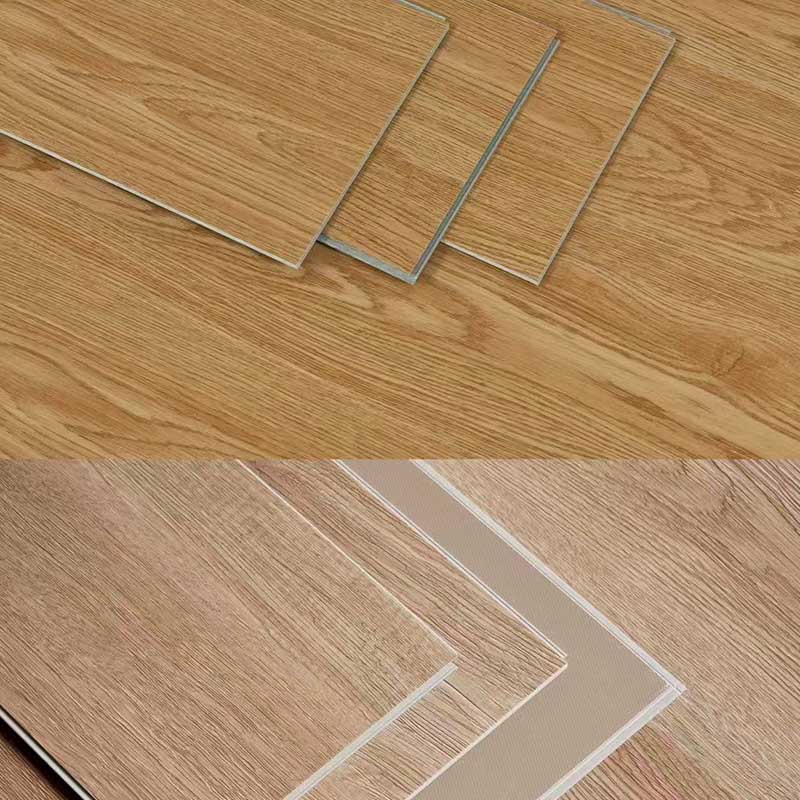
Laminate flooring generally consists of several functional layers, including a protective surface, a decorative image layer, a core board, and a backing layer. Their combined performance influences the floor's appearance, dimensional stability, resistance to everyday wear, and suitability for different environments.
When evaluating a specific Chinese knot design, buyers should distinguish laminate flooring from engineered wood parquet featuring a similar motif. Although both can deliver decorative geometric effects, their materials, construction, installation requirements, and maintenance needs may differ.
For product-specific information, review Mingzun's Chinese Knot Pattern Laminate Flooring page and confirm the available construction, dimensions, finishes, and customization options directly with the supplier.
The most recognizable advantage is its visual character. Interwoven patterns introduce more detail than standard plank flooring, helping designers establish a focal point without relying entirely on furniture, wall decorations, or elaborate architectural finishes.
In an entrance hall, for example, a well-positioned knot motif can guide the eye toward the reception area. In a living room, it can distinguish a seating zone while maintaining a consistent floor surface throughout the space.
Traditional motifs do not have to be limited to classical interiors. With carefully selected colors and surrounding materials, Chinese knot designs can work with modern furniture, neutral walls, metal accents, and understated lighting.
Quality laminate flooring can provide a useful combination of surface protection, relatively straightforward cleaning, and predictable installation procedures. Its actual durability depends on the wear layer, core density, joint system, product specifications, and the conditions in which it is installed.
For busy households and suitable commercial environments, selecting an appropriate abrasion rating and following the manufacturer's installation instructions are more meaningful than judging durability by appearance alone.
For property developers, interior designers, and flooring distributors, a coordinated decorative pattern can help establish a consistent visual identity across multiple rooms or units. Before specifying a product for a large project, however, buyers should confirm batch consistency, repeat-pattern characteristics, available quantities, and replacement availability.
The best application depends on the product's technical specifications, the desired decorative effect, and the environmental conditions of the installation site.
Living rooms, dining areas, bedrooms, and home studies are potential applications when the selected product meets the project's wear and moisture requirements. A decorative knot pattern can give a relatively simple room more character while connecting traditional design references with modern furniture.
Boutique hotels, guest suites, and selected reception areas may benefit from flooring that contributes to a recognizable design theme. Designers can coordinate the pattern with lighting, wall panels, furniture, and decorative accessories to create a cohesive guest experience.
For public or high-traffic areas, confirm the required abrasion classification, fire-performance documentation where applicable, slip resistance, and suitability for commercial use before specifying the flooring.
Decorative flooring can reinforce brand identity and make product display areas more memorable. In a boutique or showroom, knot-inspired designs may work particularly well when the surrounding displays are relatively restrained.
Selected offices, meeting rooms, and reception spaces can use patterned laminate flooring to create a more distinctive professional environment. Product selection should account for chair movement, rolling loads, expected foot traffic, and maintenance schedules.
Laminate flooring is not automatically suitable for every commercial or wet-area application. Always verify the intended-use classification and installation requirements for the exact model.
Choosing decorative flooring involves balancing appearance, cost, installation, and long-term maintenance. The following table provides a general comparison of common flooring categories rather than guaranteed performance specifications for any individual product.
| Comparison Factor | Chinese Knot Pattern Laminate Flooring | Conventional Laminate Flooring | Engineered Wood Parquet |
|---|---|---|---|
| Visual character | Distinctive interwoven or geometric motif | Often wood-grain or stone-inspired | Natural wood surface with decorative arrangements |
| Design role | Decorative focal point | Versatile background finish | Premium natural-material feature |
| Material construction | Typically a laminate structure with a decorative layer | Typically a laminate structure with a decorative layer | Usually a wood-based multilayer structure with a real-wood veneer |
| Surface maintenance | Generally routine dry cleaning and controlled damp cleaning, subject to manufacturer guidance | Generally routine cleaning according to product instructions | Depends on the wood species and surface finish |
| Installation considerations | Pattern alignment and layout planning are important | Plank direction and joint layout are important | Subfloor preparation and installation method are important |
| Moisture performance | Depends on the core, joints, edge treatment, and product rating | Depends on the specific product construction | Depends on the wood structure, finish, and installation conditions |
| Best suited to | Interiors requiring distinctive decorative character | Projects seeking a straightforward, coordinated finish | Projects prioritizing a natural wood surface |
The central consideration is whether the decorative effect supports the project's overall design objectives without compromising technical suitability. Request product documentation and physical samples before making a final selection.
For importers, contractors, distributors, and property developers, product selection should be based on measurable requirements rather than the pattern alone.
Ask about the core material, total thickness, density, surface composition, and backing structure. These details help determine whether the product is appropriate for the intended installation and expected use.
Laminate flooring products may be assigned different abrasion classifications, such as AC3, AC4, or AC5. Buyers should verify the classification and applicable test documentation for the actual product rather than assuming that all decorative laminate floors offer the same wear resistance.
Panel dimensions, edge profiles, and locking systems influence installation efficiency and the finished pattern. For a knot-inspired design, ask how the motif repeats across individual pieces and whether the installation requires a particular arrangement.
Digital images cannot fully represent surface texture, gloss level, or color under different lighting conditions. Obtain physical samples and evaluate them alongside the project's wall colors, furniture finishes, and lighting plan.
For larger orders, confirm whether samples represent the current production specification and whether the supplier can maintain consistent patterns and finishes across the required quantity.
Correct installation is essential for preserving both the structural performance and decorative effect of patterned flooring. Even a high-quality product may produce unsatisfactory results if the subfloor is uneven, moisture conditions are unsuitable, or the layout is poorly planned.
For commercial installations, coordinate the flooring schedule with other trades to reduce unnecessary traffic, moisture exposure, and surface damage during construction.
Regular, appropriate care helps keep patterned laminate flooring attractive and reduces the risk of avoidable surface damage.
Do not assume that a decorative laminate floor is waterproof simply because its surface resists occasional spills. Water resistance varies by construction, and prolonged moisture exposure can damage some core materials or joints.
Its main distinction is the decorative motif inspired by traditional Chinese knotting. Rather than relying only on conventional wood-grain imagery, the design introduces interwoven lines and geometric detail that can become a focal point within an interior.
It may be suitable for selected commercial interiors if its wear classification, joint strength, moisture performance, and other technical characteristics meet the project's requirements. Confirm the product's intended-use rating before specifying it for high-traffic areas.
Customization depends on the manufacturer's available designs, production capabilities, order quantity, and technical requirements. Buyers should ask Mingzun to confirm current color choices, pattern options, sample availability, and minimum order quantities.
Not necessarily. Water resistance depends on the specific product construction, edge treatment, joints, and installation conditions. Review the technical documentation and follow the recommended cleaning procedures before using the flooring in areas exposed to moisture.
Measure the floor area of each room, calculate the total square meterage, and add an allowance for cutting waste and pattern alignment. The appropriate allowance depends on room geometry, installation direction, and the complexity of the decorative layout. Confirm package coverage and ordering quantities with your supplier.
Importers should confirm the product specifications, samples, quality documentation, packaging, production lead time, minimum order quantity, shipping terms, and after-sales arrangements. For patterned flooring, consistency of color and motif across production batches is particularly important.
Chinese Knot Pattern Laminate Flooring offers an interesting way to combine cultural inspiration with contemporary interior design. Its distinctive geometry can add depth to residential spaces, hospitality interiors, showrooms, and selected commercial environments, while the underlying laminate construction can provide practical everyday functionality when properly specified and installed.
The best purchasing decision considers both aesthetics and technical performance. Buyers should evaluate the core structure, wear classification, joint system, moisture limitations, sample appearance, and installation requirements before committing to a project. For distributors and contractors, clear product documentation and consistent supply are equally important when planning larger installations.
Mingzun provides a starting point for exploring decorative laminate flooring options. Visit the Chinese Knot Pattern Laminate Flooring product page to review the available design and discuss project requirements. If you are sourcing decorative flooring for a residential development, hospitality project, showroom, or distribution business, contact us to request product details, discuss suitable specifications, and explore flooring solutions tailored to your project's design and purchasing needs.