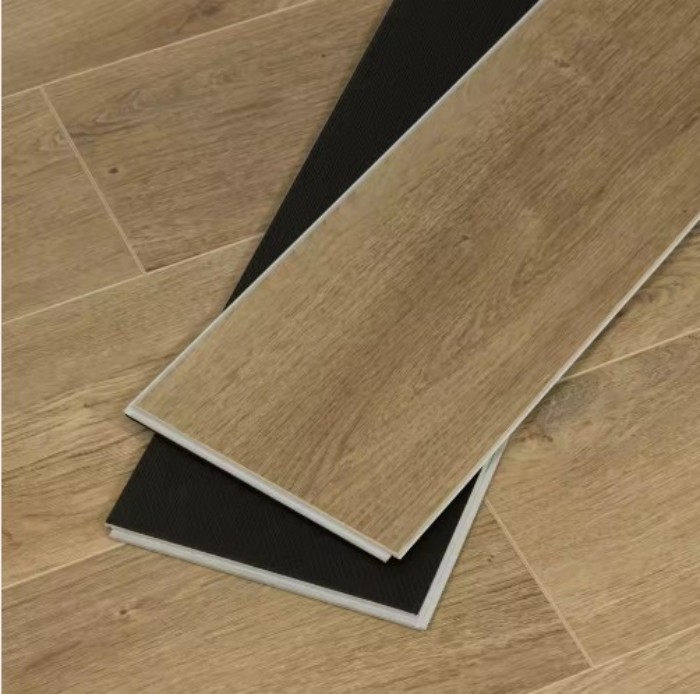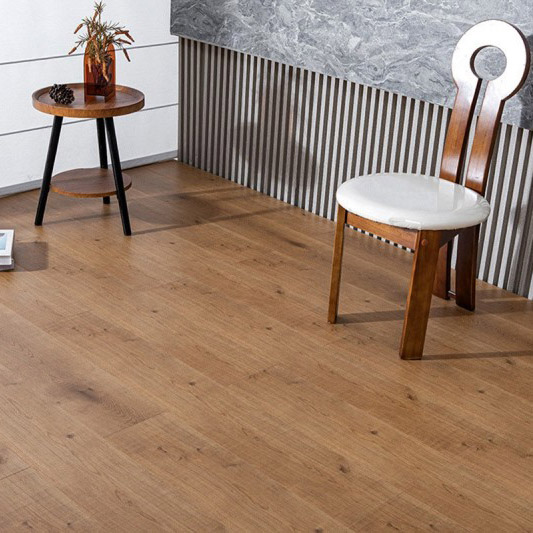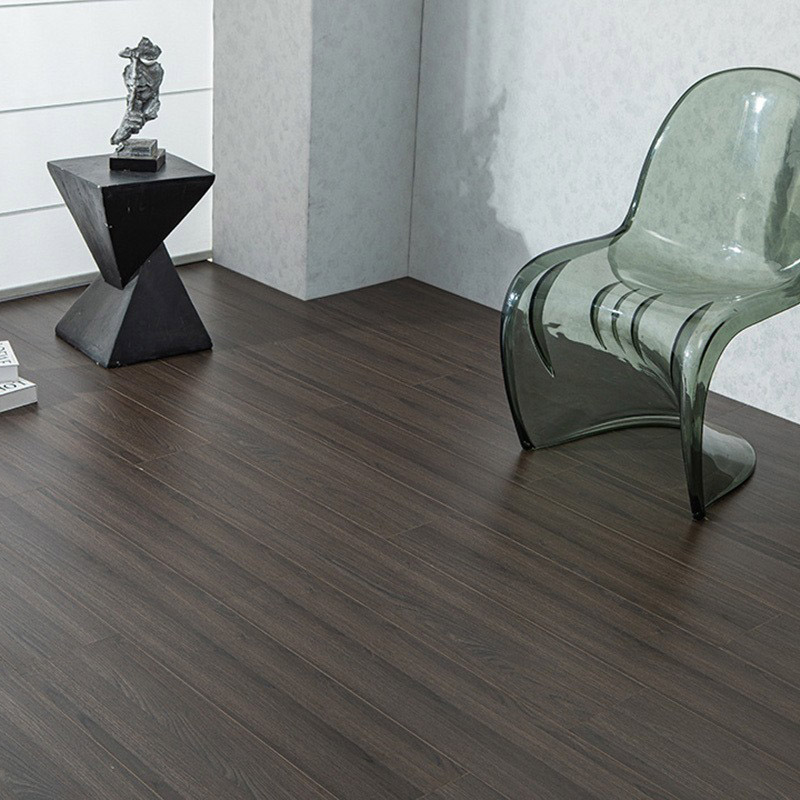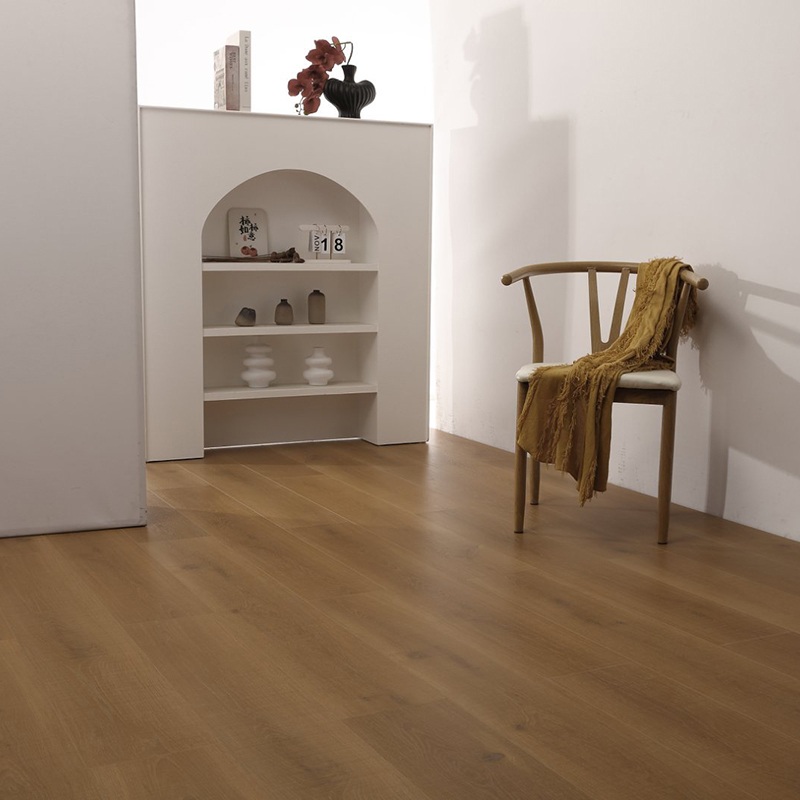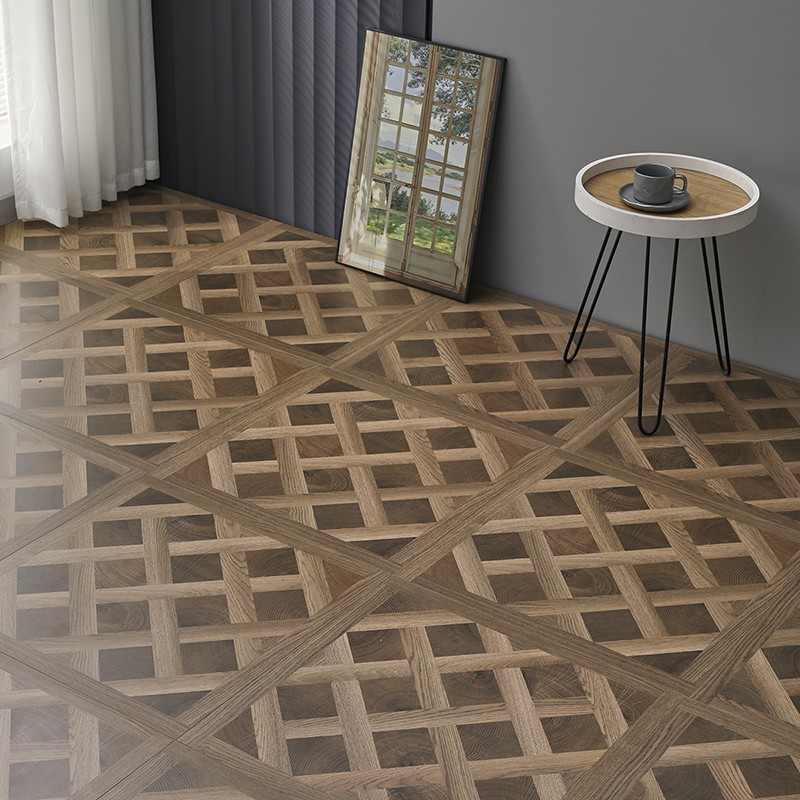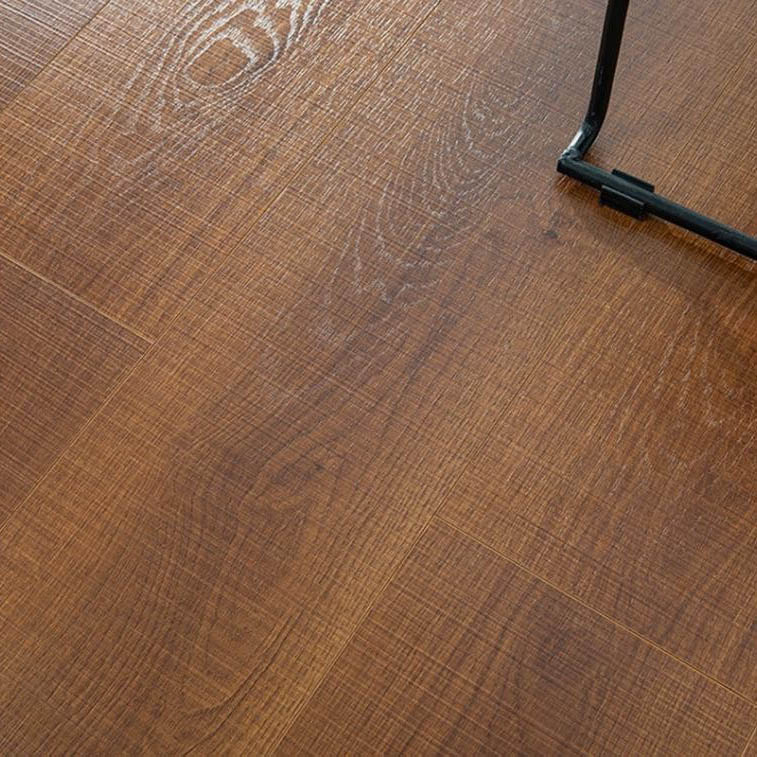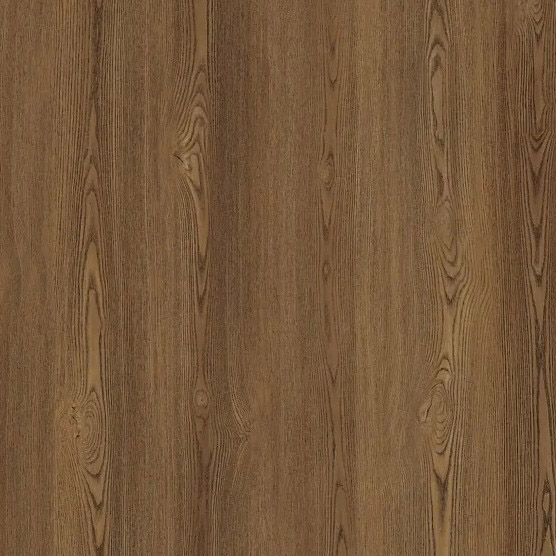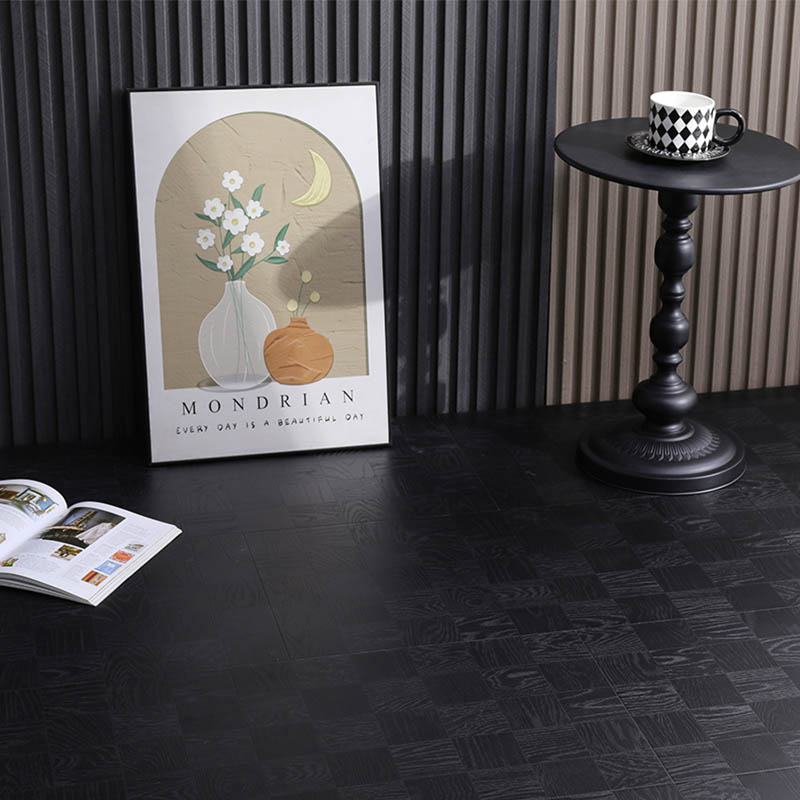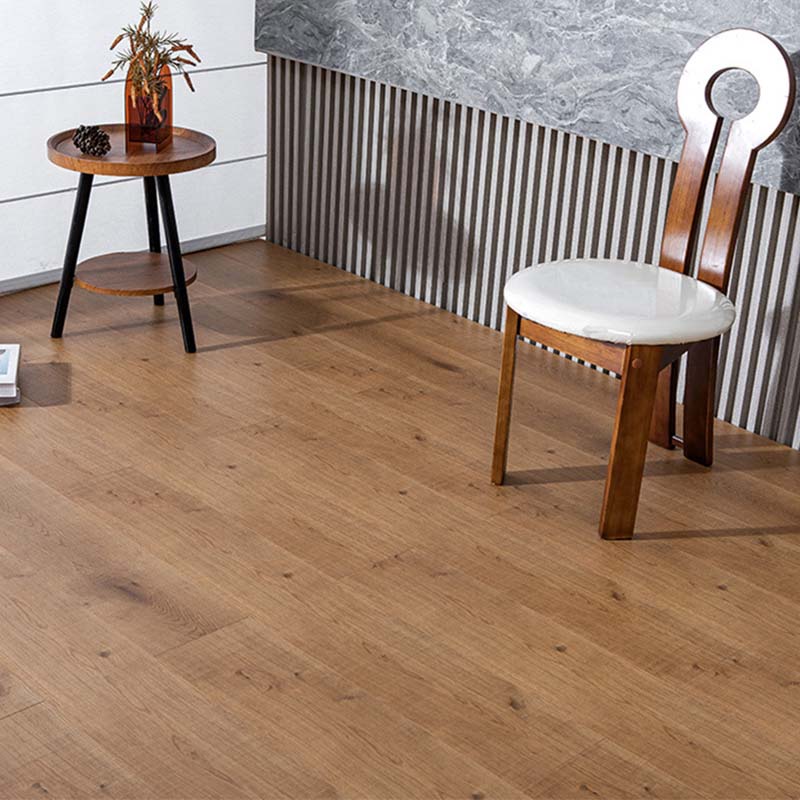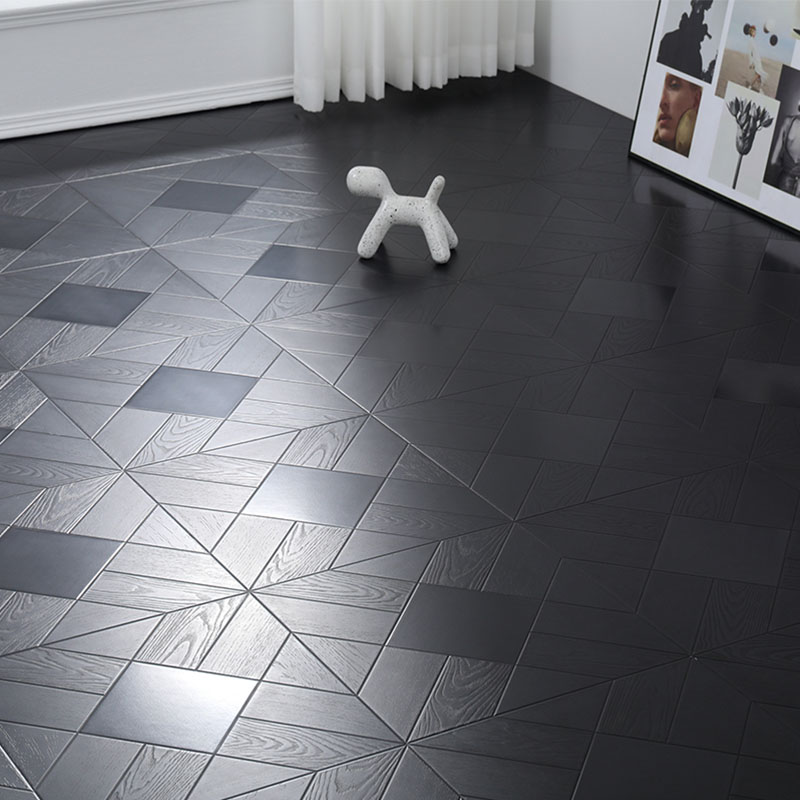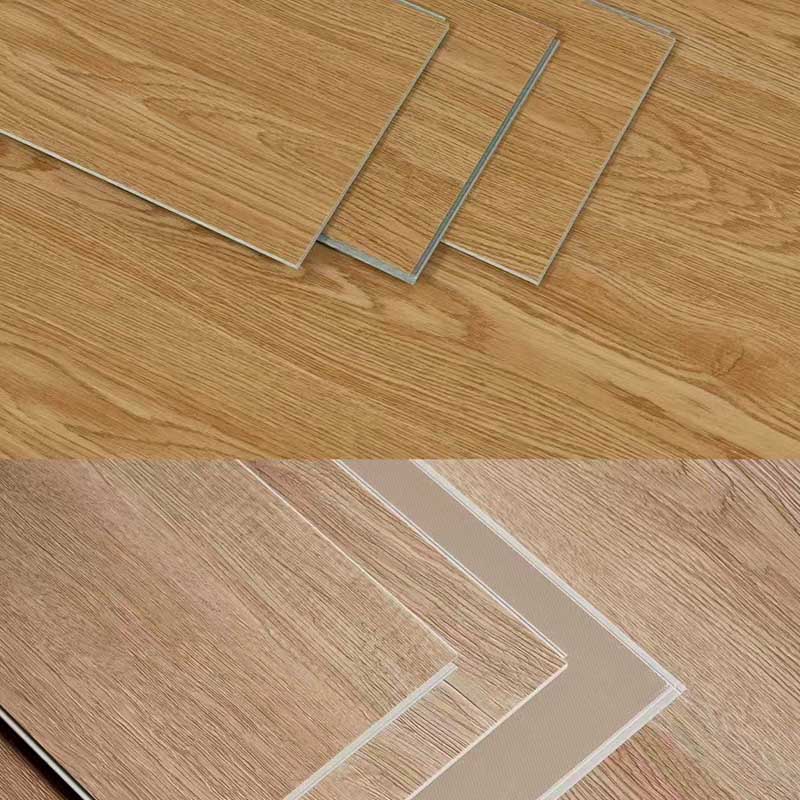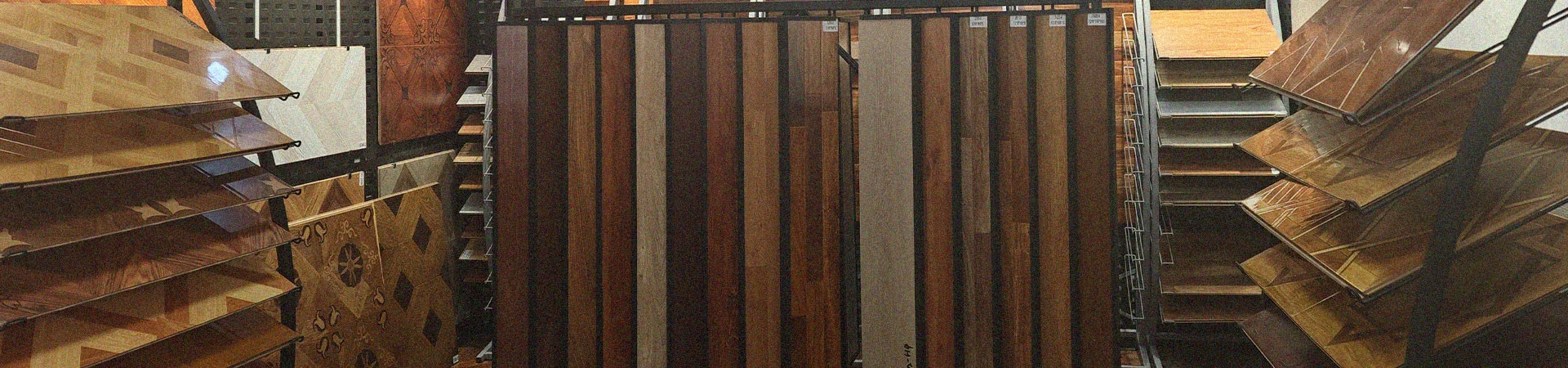
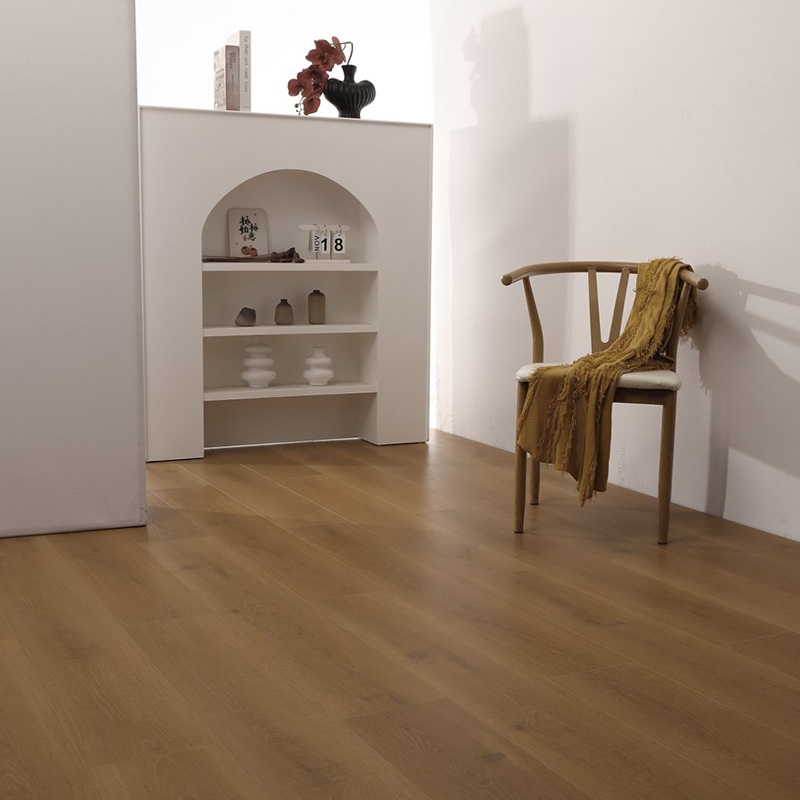
A recessed V-shaped profile machined along each plank edge produces a visible joint line after installation. That joint is what separates this from a square-edge laminate — it gives the floor a more pronounced individual-plank appearance without changing the underlying construction. Available in 7 / 8 / 10 / 12 mm, with MDF, MHDF or HDF substrates, AC0 – AC4 wear classes, and six surface finishes. Manufactured by Shandong Mingzun New Materials Co., Ltd. Request a sample and specification sheet.
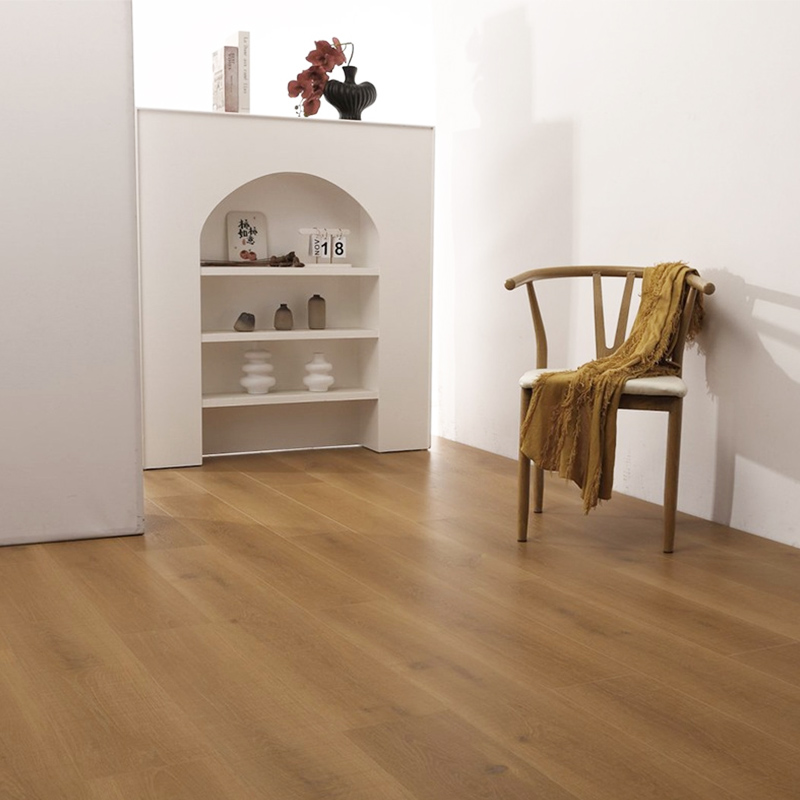
Buyers who specify Wood-Look V-Groove Laminate Flooring are usually solving a specific visual problem: a square-edge laminate reads as one continuous surface, which loses the individual-board character that makes wood flooring look like wood. The V-groove restores that character without changing the underlying laminate construction. What matters for sourcing is whether the joint profile stays visually consistent across the whole floor — that depends on machining accuracy, board thickness tolerance, and how the locking system holds the joint under expansion and contraction. The sections below cover each decision point.
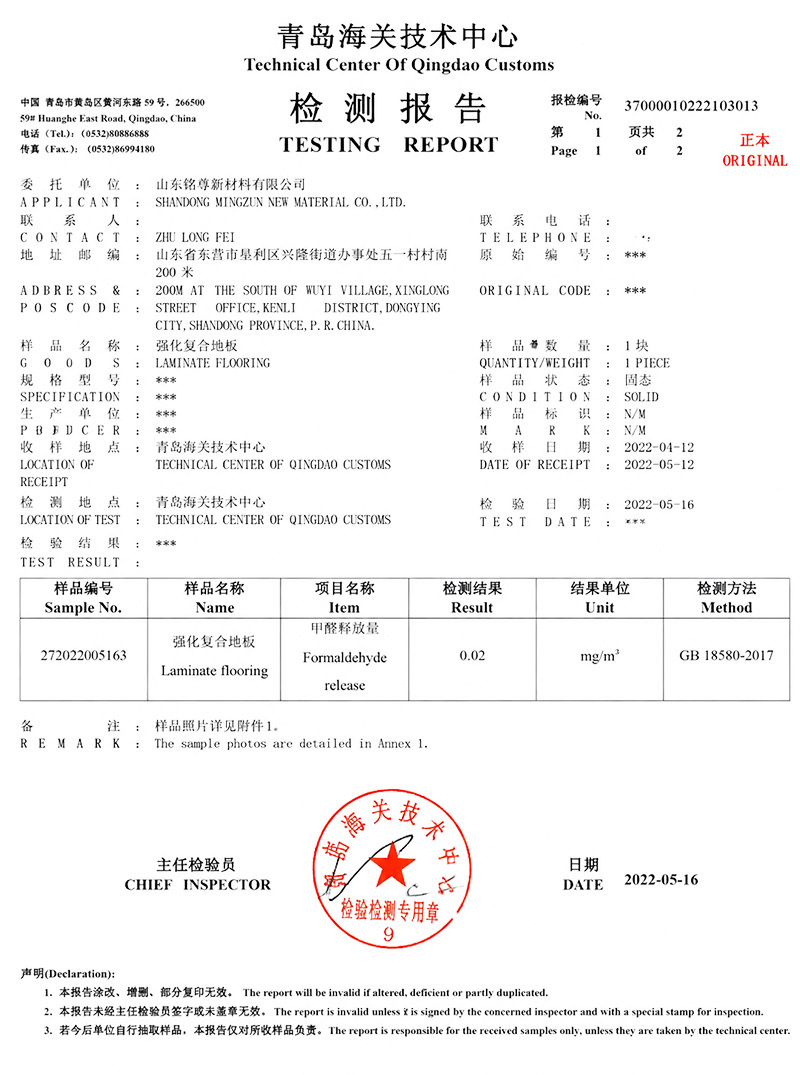
Final specifications, wear class, substrate, dimensions and warranty conditions should be confirmed against the selected product configuration and order documents.
The two profiles produce visibly different floors from the same board construction. The choice is about appearance, not performance class.
The joint is nearly invisible after installation. The floor reads as one continuous surface rather than as individual boards. Suited where the design intent is a smooth, uninterrupted floor plane.
This is the correct choice when the flooring should recede and let furniture or walls carry the visual weight of the room.
A recessed V-shaped profile is machined along the plank edges. After installation, a visible joint line separates each plank, reproducing the appearance of individual timber boards.
Suited where the wood-floor character is part of the design intent — and where buyers want to read plank width and layout at a glance.
What to check when sourcing. The groove profile means machining accuracy, board thickness consistency and locking-system compatibility all affect how evenly the joints appear across a finished floor. Two batches that look identical in a single sample can produce visibly uneven joints if board thickness tolerance or profile accuracy is not controlled. For buyers comparing suppliers, these are the correct points to ask about — not just the décor or the AC grade.
The decorative layer determines visual appearance; the surface finish determines the tactile and optical effect of the finished plank. Availability varies by specification — colour, pattern and finish samples should be confirmed before mass production.
Conventional timber-inspired appearance. Can be developed in different colours and decorative patterns for residential and general interior projects. The most frequently ordered finish for residential work.
The surface embossing is aligned with the printed wood pattern. Creates a more coordinated grain texture — the correct choice where the project requires a more natural wood-look appearance and the surface relief needs to follow the print.
A distinctive surface texture and visual effect. Selected according to the intended decorative style — used where a standard wood-grain finish is not the design intent.
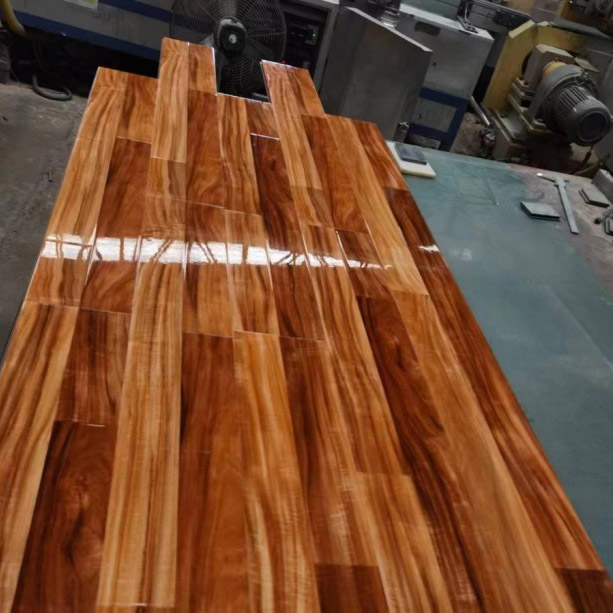
A more reflective appearance. Generally selected for interior concepts where a polished or decorative visual effect is required. Brightens a room through light reflection.
Similar reflective character as Mirror at a different gloss level. Suited to commercial interiors where a polished look is part of the design brief.
Parquet-style decorative patterns that create a more decorative floor appearance while retaining the underlying laminate flooring construction.
The core provides the structural body of the plank and is the material in which the click-lock profile is machined. Core density should not be considered independently from moisture content, board thickness, machining accuracy and the overall flooring construction.
Soft wood-fibre board. Suitable for low-cost residential projects where the floor is not under continuous load. Not recommended for commercial or underfloor-heating applications.
Performance between MDF and HDF. No unified international standard — density and thickness swelling rate need to be confirmed before order. Fit for cost-sensitive economy-grade projects.
Dense wood-fibre structure. More suitable base for precision machining of the locking profile and maintaining board geometry. Available in two density options for different market positions.
Substrate moisture is a specification that should be confirmed before production, not after. Wood-based panels respond to temperature and humidity changes during storage, transit and installation. Buyers should confirm the applicable moisture specification, testing method and packaging requirements with us at quotation stage.
Wear resistance should be selected according to the intended application and the actual test classification of the flooring configuration. If a project requires a higher wear classification than the standard range, confirm the applicable configuration with the manufacturer before ordering.
Bedrooms, closets and other low-traffic residential areas.
General residential areas with moderate daily use.
Higher-use residential areas and selected light commercial interiors.
Higher-use residential and general commercial applications.
Wear classification is not the only factor affecting flooring performance. Core density, surface construction, board thickness, click-lock machining, installation quality, environmental conditions and expected traffic should all be considered during product selection.
These are general configuration recommendations rather than performance guarantees. The final specification should be selected according to actual project conditions, applicable standards and confirmed product test results.
Bedroom · closet · guest room
Living room · hallway · children's room
Basic residential interiors
Design studio · small office · boutique retail
Selected retail and display environments
The click-lock system allows adjacent flooring panels to mechanically engage without relying on conventional adhesive installation across the entire floor.
For a V-groove laminate floor, the accuracy of the locking profile is particularly important because the joint needs to remain visually consistent after installation. Dimensional tolerances, profile machining and board flatness should therefore be controlled during production — the joint you see on the surface is a direct result of the profile milled into the core below it.
Installation should follow the manufacturer's instructions and the requirements applicable to the selected flooring system. The subfloor should be properly prepared before installation, and expansion requirements should be considered according to the installation environment.
Laminate flooring is generally not intended for permanently wet areas such as shower rooms or continuously exposed wet zones unless a specifically tested product has been designed and approved for that application.
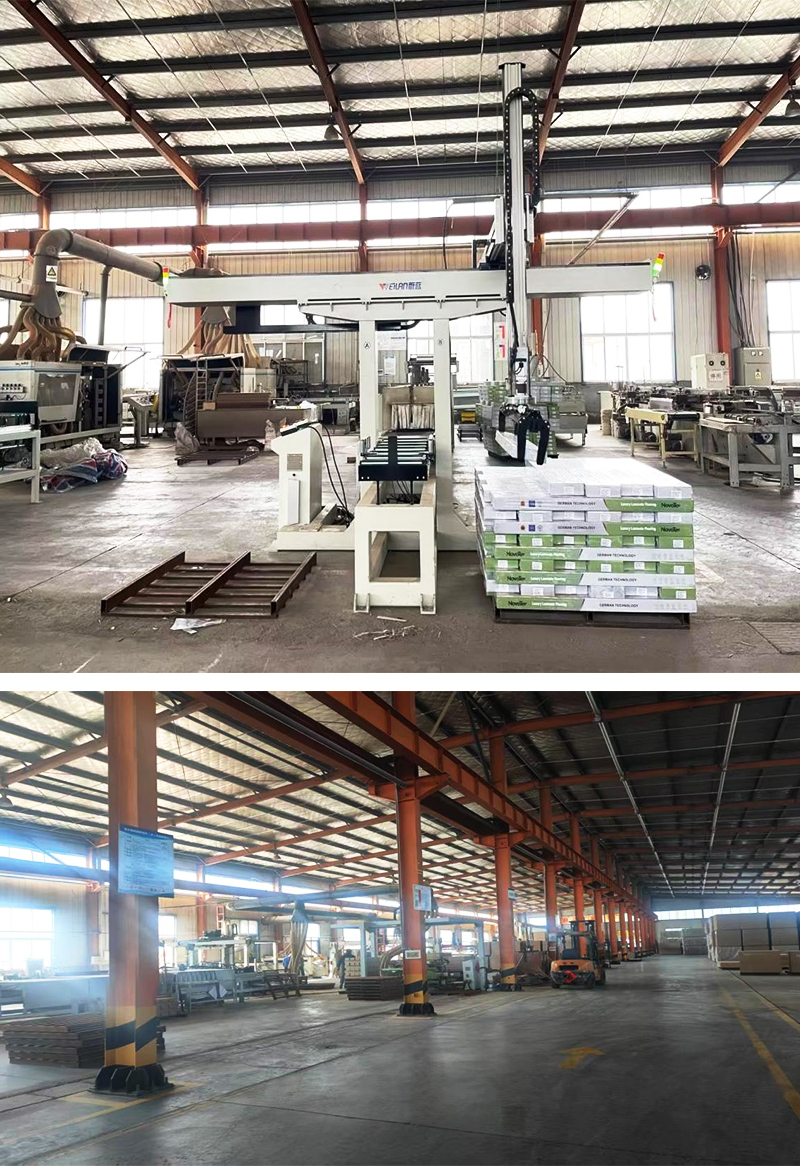
Production focuses on controlling the consistency of the flooring structure from substrate preparation through final packaging.
Incoming substrate boards are checked for dimensions, surface condition and relevant material characteristics before further processing. For HDF products, density and moisture-related requirements are controlled according to the selected specification.
Decorative paper, wear-resistant layer and balancing layer are assembled with the wood-based substrate. Controlled temperature and pressure establish the required board construction during lamination. Process parameters vary according to the selected surface, substrate and product specification.
Laminated boards are cut to the required dimensions and processed to form the V-groove edge profile. Dimensional consistency matters because differences in board length, width or thickness affect both installation and the visual alignment of the finished floor.
Plank edges are precision-machined to create the specified click-lock structure. Profile accuracy is checked because the locking geometry directly affects joint engagement during installation.
Finished panels are inspected according to the applicable product specification. Inspection can cover appearance, dimensions, edge profile, surface condition and locking performance.
Finished flooring is packed according to order requirements. For overseas shipments, carton construction, palletisation, loading method and internal protection can be customized according to transportation and handling conditions.
For flooring distributors, wholesalers and project buyers, product consistency across a production batch is often as important as the appearance of an individual sample. Our production-focused quality control covers the stages below.
For buyers who require their own product designs, packaging or market-specific configurations.
Buyers should provide the target market, required dimensions, preferred thickness, wear classification, decorative design, surface finish, packaging format and estimated order quantity.
From that, we evaluate the requested configuration and confirm production feasibility, sampling requirements and applicable technical specifications.
For OEM projects, inspection requirements and applicable technical documents can be discussed and confirmed before production — not after.
Certification scope and validity should be confirmed against current certificates and the specific flooring configuration before being used for a project, tender or market-compliance claim.
Ensures consistent production quality across batches.
Eco-friendly production process management.
Safe workplace standards across the production facility.
Complies with EU REACH / RoHS directives — access to the European market.
National fire safety standard — self-extinguishing, low smoke emission.
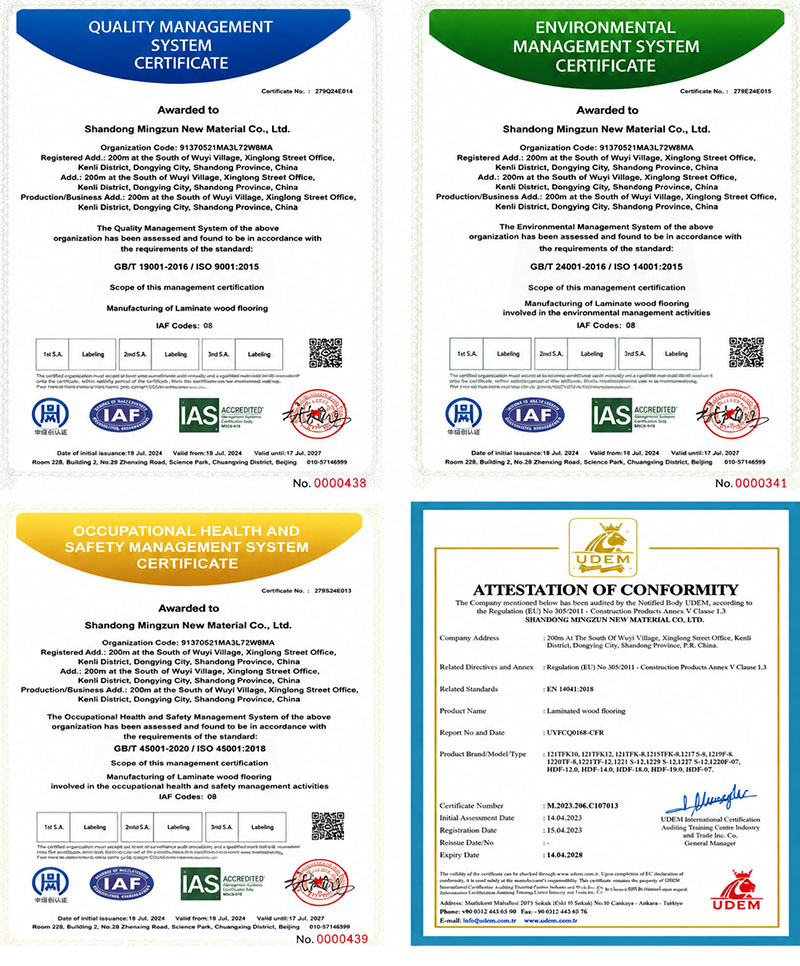
We are the manufacturer. Certificates are issued to the manufacturing entity — not a trading company.
More than a decade of laminate flooring manufacturing and international export, providing production support for overseas flooring customers and private-label projects.
Different thicknesses, substrates, decorative patterns and surface finishes allow buyers to develop flooring products for different market segments rather than relying on a single standard specification.
Quality control is integrated into substrate inspection, lamination, machining, surface inspection and final packaging — not limited to a final visual check.
Questions that come up most often during the specification stage for V-groove laminate.
V-Groove laminate flooring is laminate flooring with a recessed V-shaped profile along the plank edges. After installation, the groove creates a visible line between adjacent boards and gives the floor a more defined individual-plank appearance.
The main difference is the edge profile. Standard laminate flooring may use a square or less-defined edge, while V-groove laminate flooring has a machined recessed profile that visually separates each plank after installation.
Yes. It can be configured for bedrooms, living rooms, hallways, children's rooms and other residential interiors. The appropriate thickness, wear class and substrate should be selected according to expected traffic and installation conditions.
We can supply 7 mm, 8 mm, 10 mm and 12 mm configurations. The available thickness should be confirmed according to the selected substrate, surface construction and product specification.
Available substrate options include MDF, MHDF and HDF. HDF configurations can be supplied with different density requirements, including ≥730 kg/m³ and ≥800 kg/m³ options.
AC2 – AC3 may be suitable for lower-traffic residential areas, while AC3 – AC4 can be considered for higher-use residential spaces. The final selection should be based on the actual product test classification and expected traffic.
Selected configurations can be used in light commercial and general commercial interiors. Commercial projects should be evaluated according to expected traffic, wear classification, substrate specification and applicable project requirements.
Yes. OEM projects can be developed with customized wood colours, decorative patterns and surface finishes. Buyers should confirm the desired design and target market before sampling.
Yes. Carton artwork and private-label packaging can be customized according to the customer's branding and order requirements.
Yes. Samples can be provided for customers to evaluate colour, decorative pattern, surface texture, V-groove appearance and overall product construction before mass production. Freight costs are normally borne by the customer.
Key information includes board dimensions, thickness, substrate, core density, wear classification, surface finish, decorative design, V-groove profile, click-lock system, packaging requirements, target market and estimated order quantity.
Standard laminate flooring should not be installed in permanently wet areas such as shower rooms unless the specific product has been designed, tested and approved for that environment. Installation conditions should be confirmed before selecting the flooring specification.
If you are sourcing Wood-Look V-Groove Laminate Flooring for distribution, private-label production or an interior project, provide your required thickness, board size, wear class, substrate, surface finish, colour, packaging requirements and estimated quantity. We will evaluate the requested configuration and provide product samples and production details for further project confirmation. Contact us here.
Address
200 meters south of Wuyi Village, Xinglong Subdistrict Office, Kenli District, Dongying City, Shandong Province, China
Tel