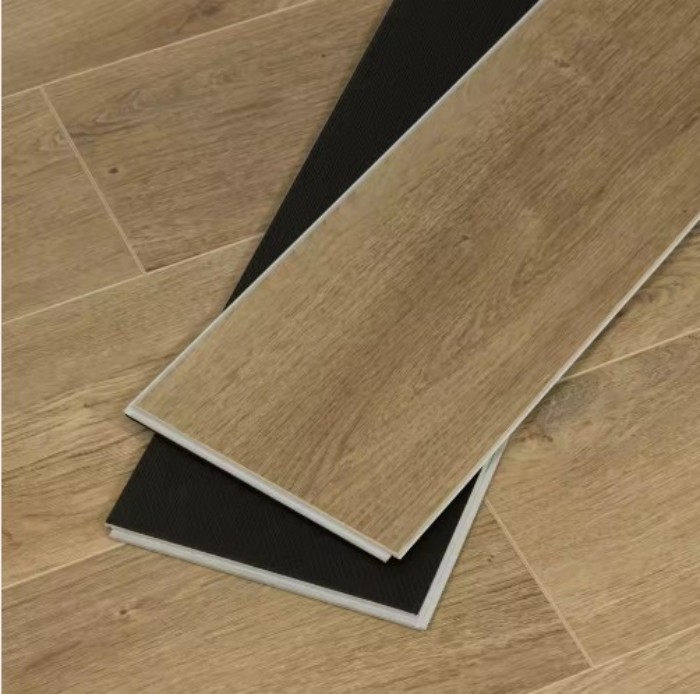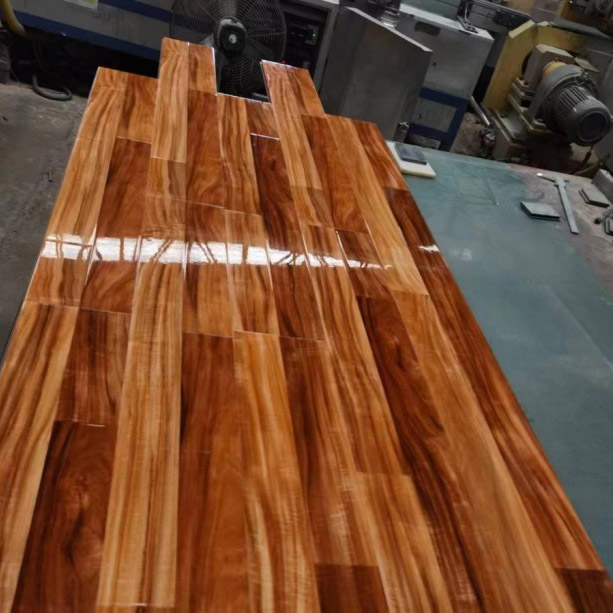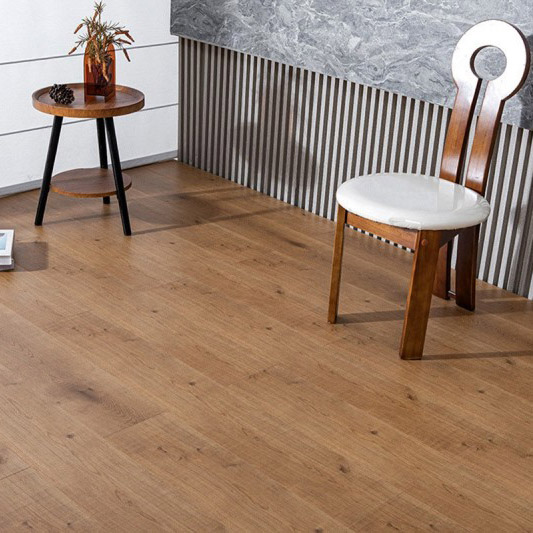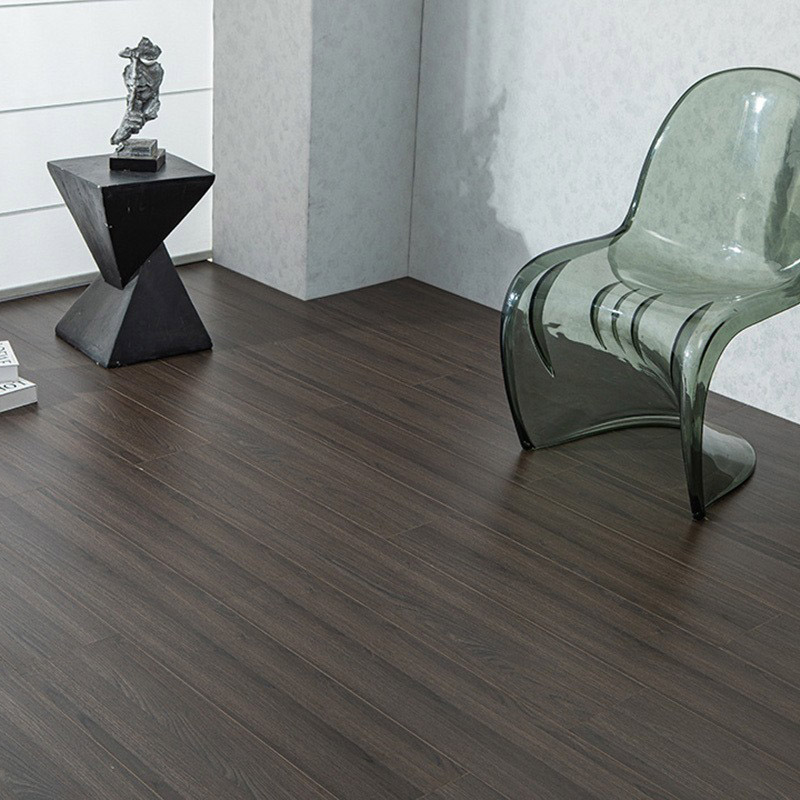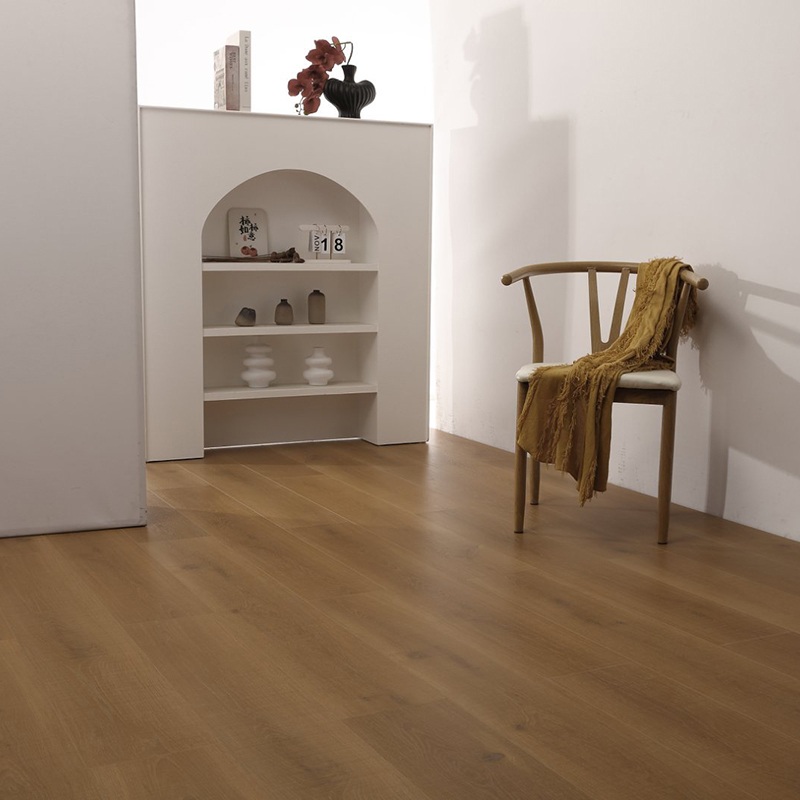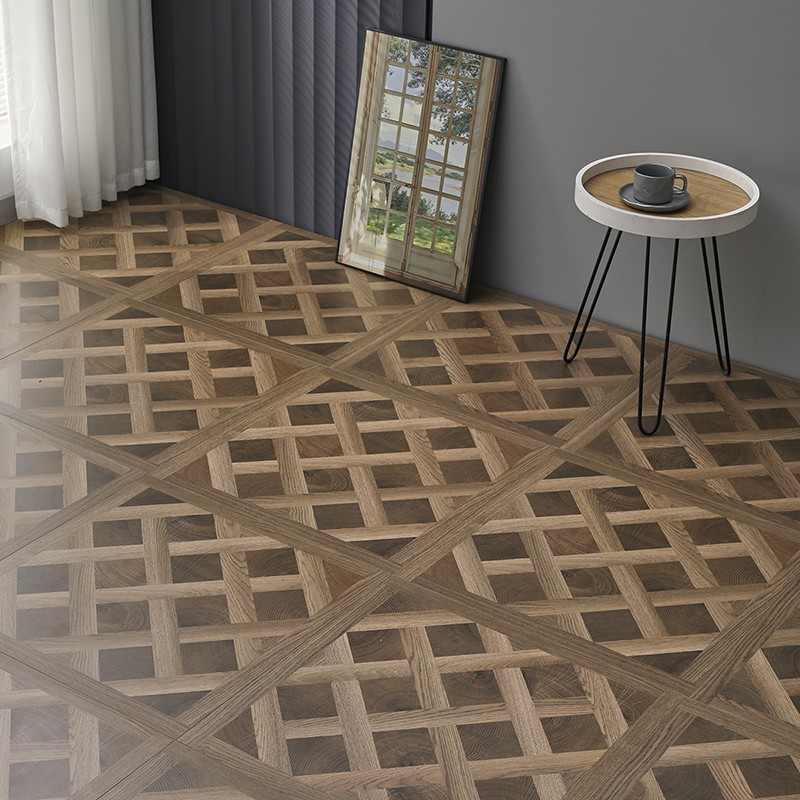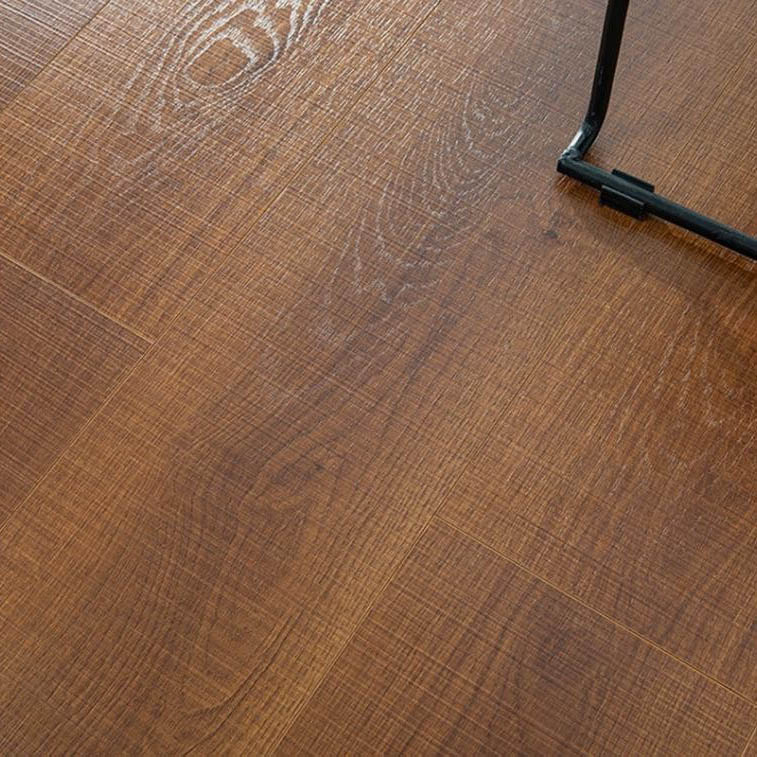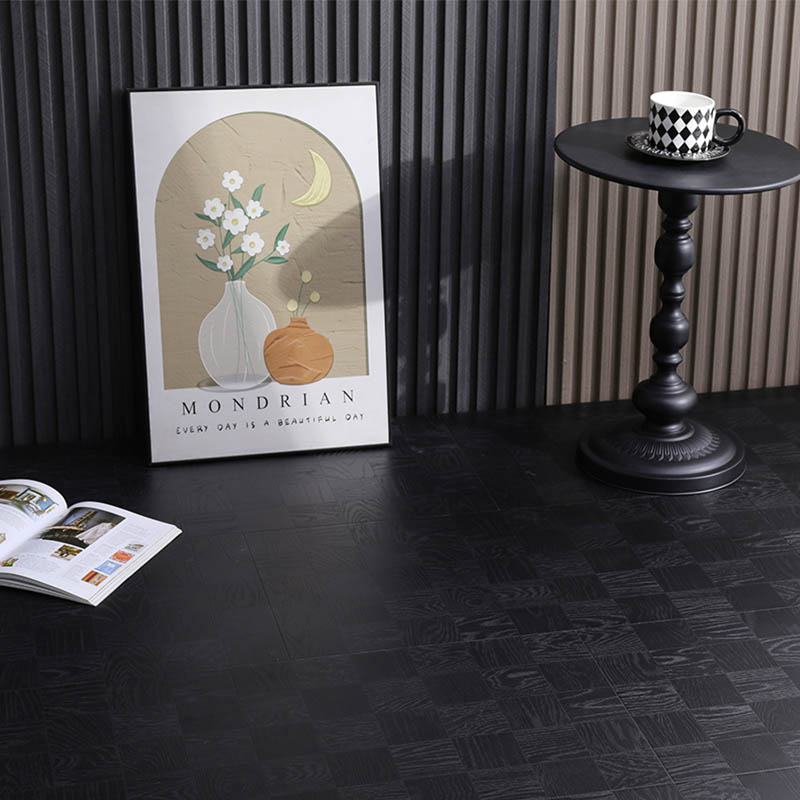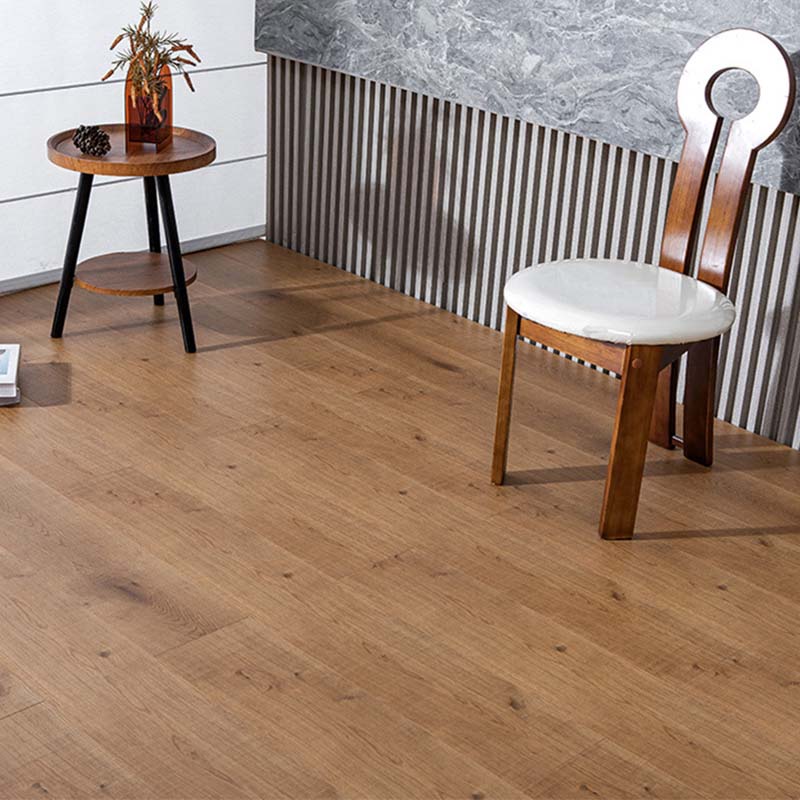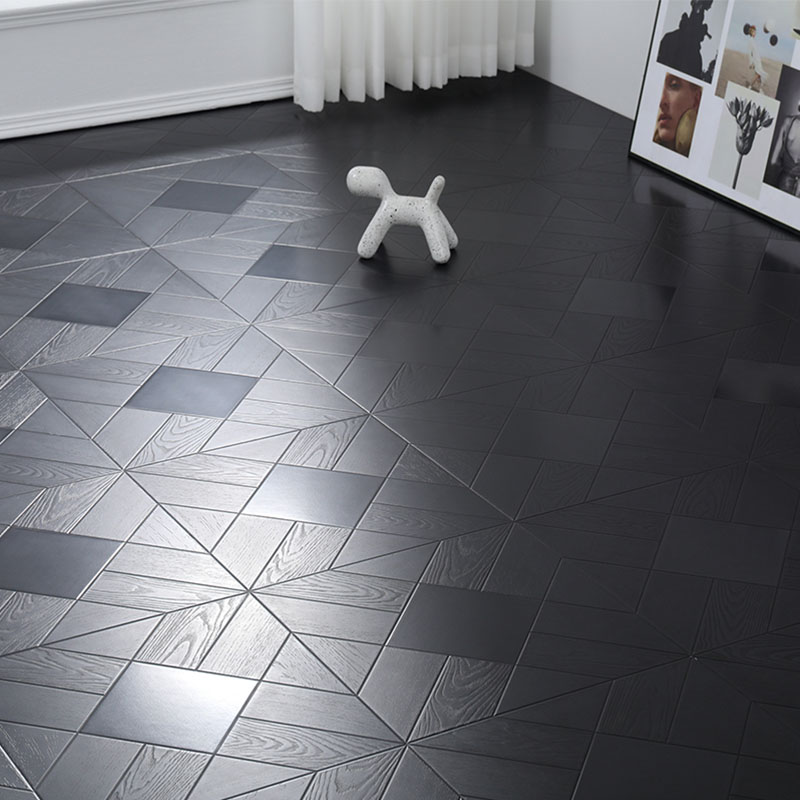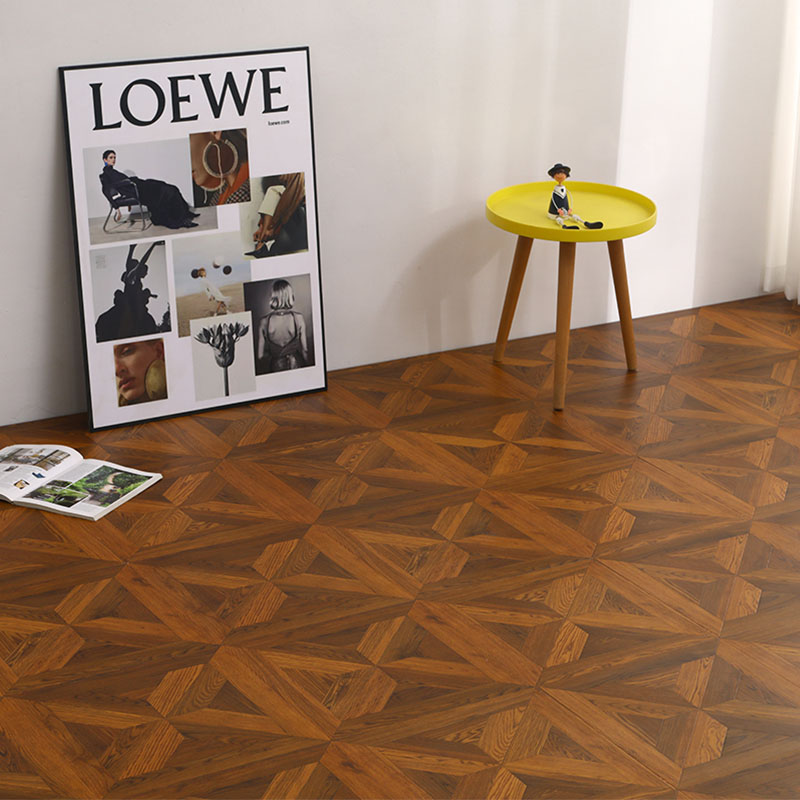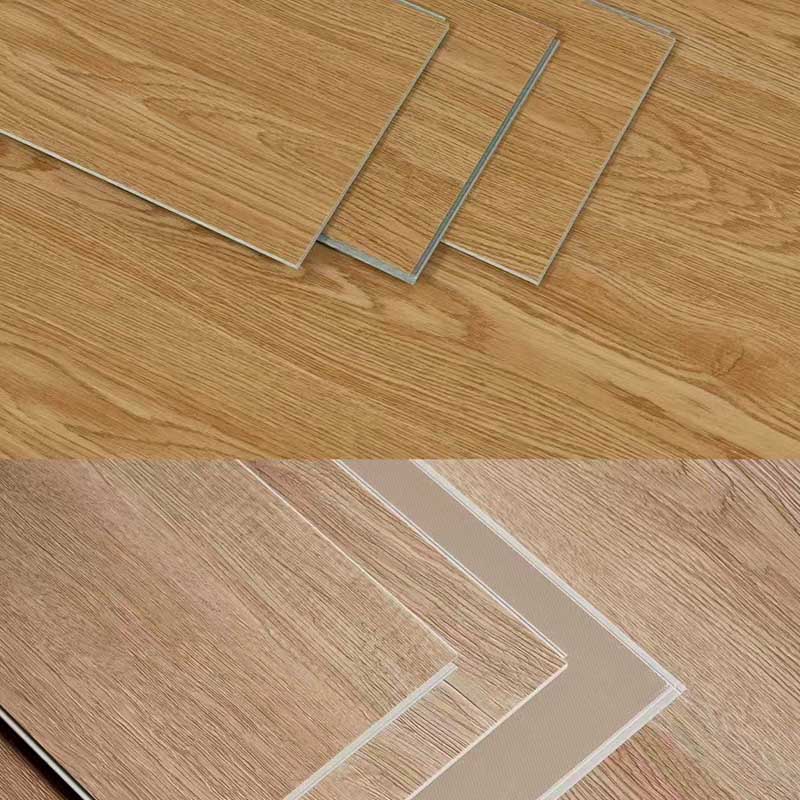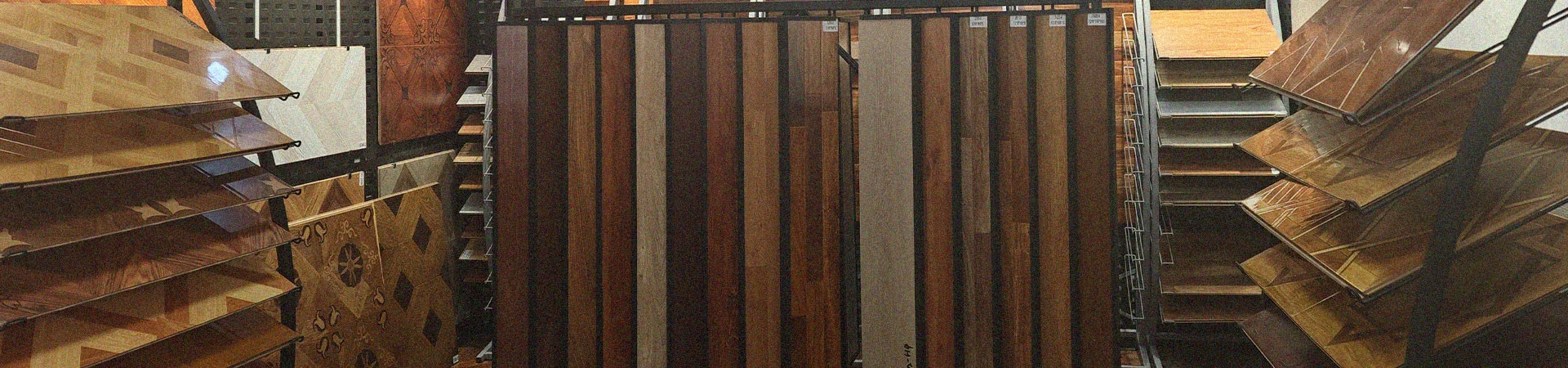
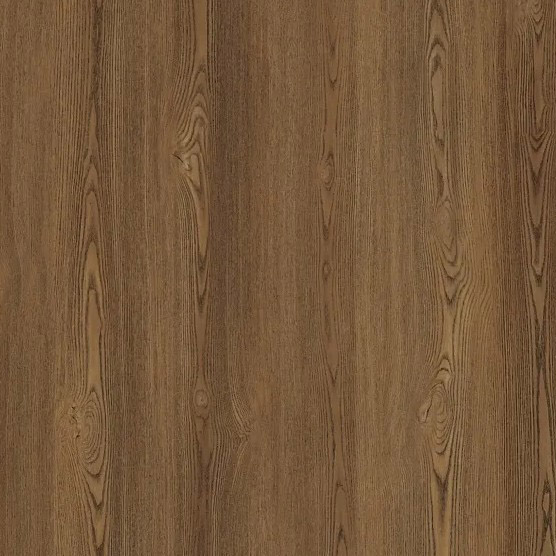
12 mm Synchronized EIR Laminate Flooring uses an HDF core with an Embossed-in-Register surface — the embossed texture is registered to the printed wood-grain pattern, so the relief follows the grain instead of sitting on top of it as a generic texture. The 12 mm construction is the thicker end of the laminate range; other thicknesses (7 / 8 / 10 mm) are available from the same production line. Configurations cover HDF or MDF substrate, AC0 – AC5 wear classes, V-groove or U-groove edge profiles, and OEM customisation of colours, patterns, dimensions and packaging. Manufactured by Shandong Mingzun New Materials Co., Ltd. Request a sample and specification sheet.
Request specification sheet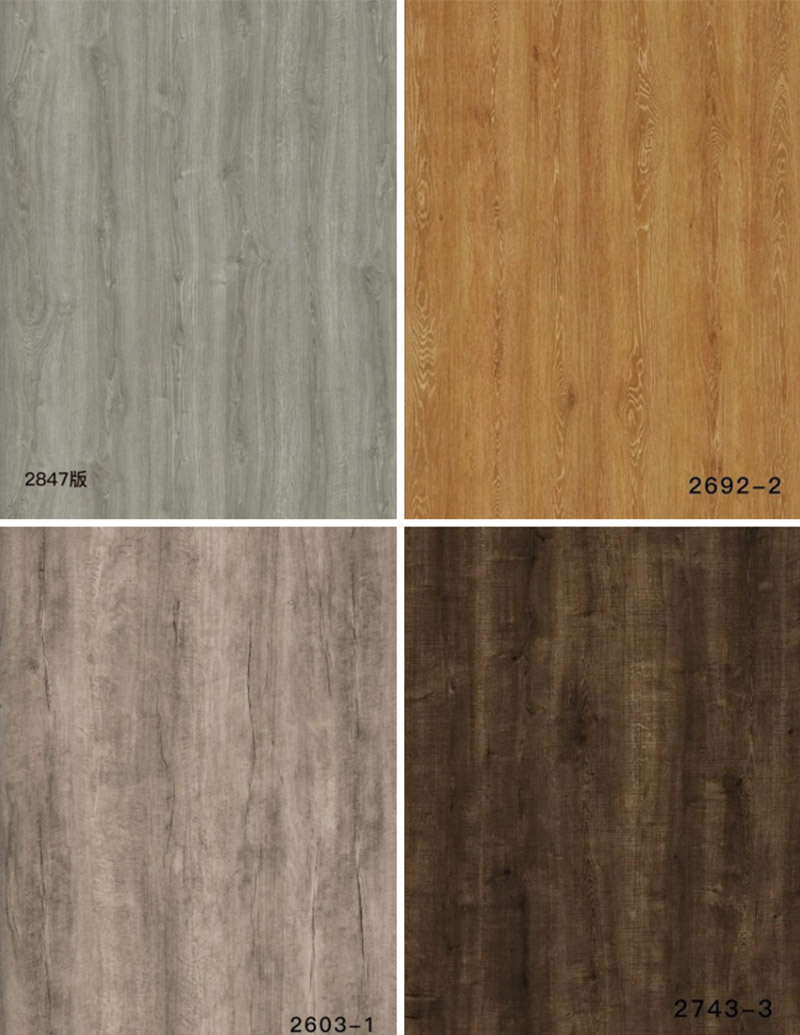
The word that matters in this product name is synchronized. A standard embossed laminate runs a texture pattern across the entire panel regardless of what the print underneath is doing — the grain on the surface and the grain in the print drift in and out of alignment. On 12 mm Synchronized EIR Laminate Flooring, the embossing plate is registered to the decorative print: where the printed grain runs, the relief runs; where the print shows a knot, the surface shows a depression. For buyers comparing suppliers, the difference is visible in daylight on any sample. What is not visible is whether that registration holds across production batches — which is the actual question to ask before placing the order.
Final specifications, wear class, substrate, dimensions and warranty conditions should be confirmed against the selected product configuration and order documents.
EIR — Embossed-in-Register — describes the alignment between the printed decorative pattern and the embossed surface structure. It is a production capability, not a décor style.
Instead of applying a generic embossing pattern across the entire panel, the surface texture follows the position of the printed wood-grain features. For wood-grain designs this places recessed areas, grain lines and other surface details in corresponding positions on the decorative layer.
The result depends entirely on the accuracy of the printing and embossing registration during production. A sample that shows perfect registration in a hand-held piece does not guarantee the same registration across a full container — the question is whether the production line controls that alignment batch to batch.
The HDF core forms the structural layer of the panel. Available density options are ≥730 kg/m³ and ≥800 kg/m³, depending on the product specification.
A denser substrate for machining the click profile and maintaining board geometry. During production the substrate is controlled for density, moisture content and surface condition before lamination and profiling. The two density options correspond to different market positions and load requirements.
Supplied where a flatter, lower-cost core suits the project. The appropriate substrate should be selected according to the required board structure, machining requirements and target application — not simply on price.
Storage and transportation conditions affect the dimensional stability of wood-based panels. Buyers should confirm the applicable moisture specification and test method with the supplier before placing the production order, not after the container has shipped. This is the single most common cause of post-shipment dimensional complaints on laminate flooring.
AC classification should not be treated as the only selection factor. Substrate density, surface construction, installation conditions and expected traffic should also be considered together.
Bedrooms, closets and other low-traffic residential areas.
General residential areas with moderate daily use.
Higher-use residential areas and selected light commercial spaces.
Heavy residential use and general commercial applications.
Higher-traffic commercial applications where the specified product has been tested for this class.
A direct comparison against the two most common alternatives buyers weigh this product against.
The standard listed board size is 1218 × 198 mm. Other formats include 600 × 600 mm and 600 × 300 mm, subject to product design and production requirements.
V-groove and U-groove options create different joint-line appearances between installed panels. The groove profile should be confirmed separately from the click-lock structure — edge profile and locking mechanism are different parts of the board design and both need to be specified for the order.
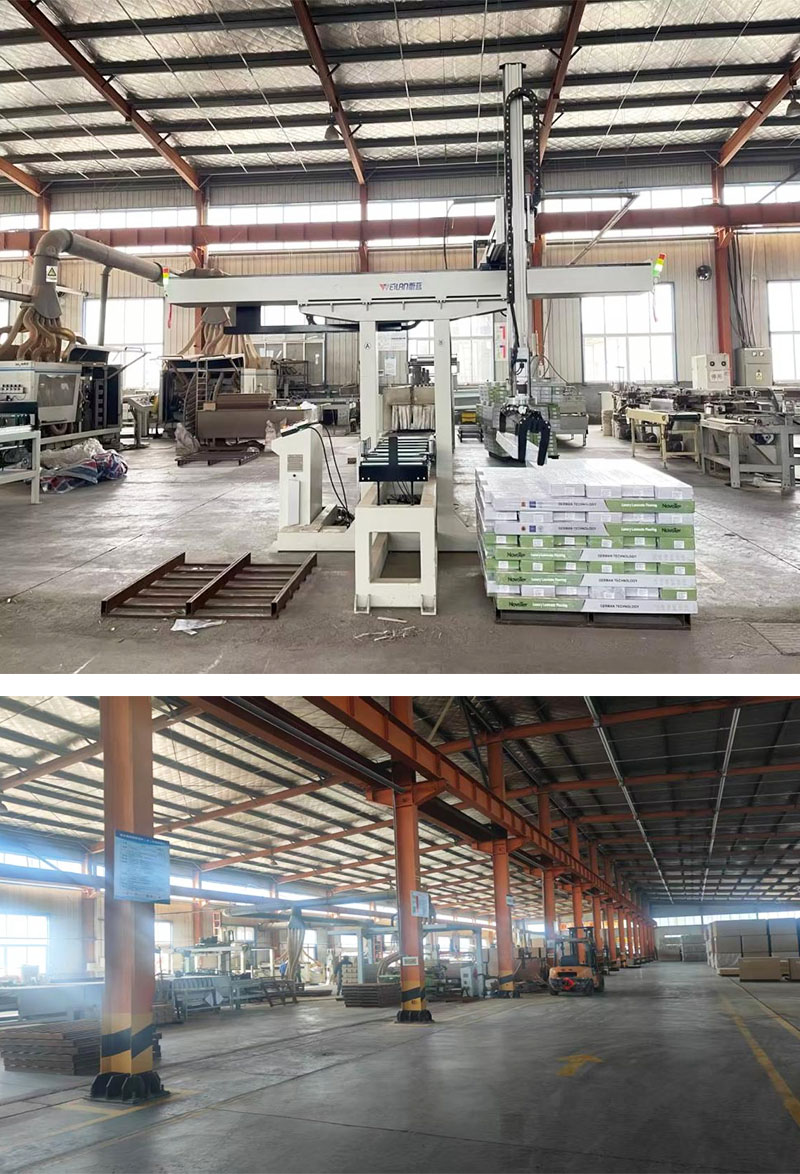
Five production stages, each with its own inspection points. The EIR registration stage is where this product is separated from a generic embossed laminate.
Incoming HDF boards are checked for core density, moisture condition and surface defects before entering production. Substrate consistency matters because the core is later machined to form the locking profile.
The decorative paper, wear-resistant surface layer and balancing layer are laminated to the HDF substrate under controlled temperature and pressure. Process parameters are set according to the selected board construction.
The embossing pattern is registered against the decorative wood-grain print. Production control focuses on alignment between the surface texture and the printed pattern. Batch inspection checks registration consistency, surface defects and edge condition.
Laminated panels are cut to specified dimensions and machined to form the click-lock edges. Dimensional accuracy is controlled — variations in length, width, thickness or locking geometry affect joint engagement.
Finished panels are inspected for dimensions, surface condition, edge profile, locking performance and packaging condition. Export packaging is selected according to container loading, handling and transportation requirements.
For bulk flooring orders, quality control can be organised around measurable production stages — not a final visual check.
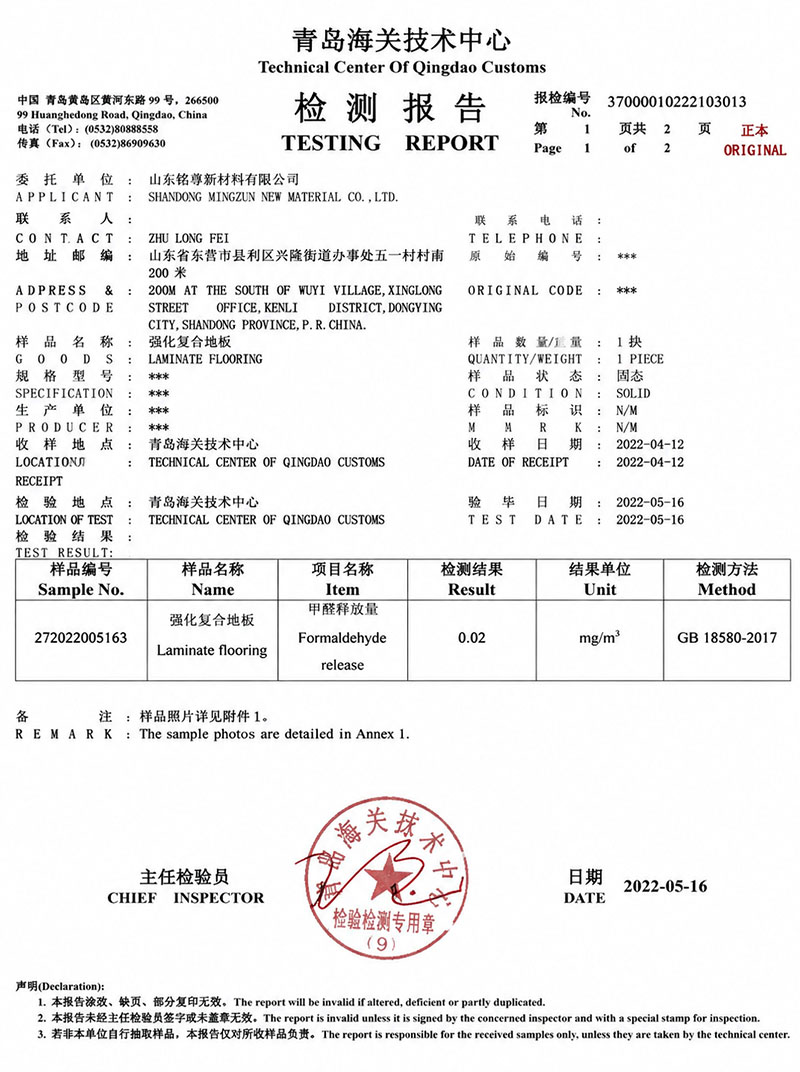
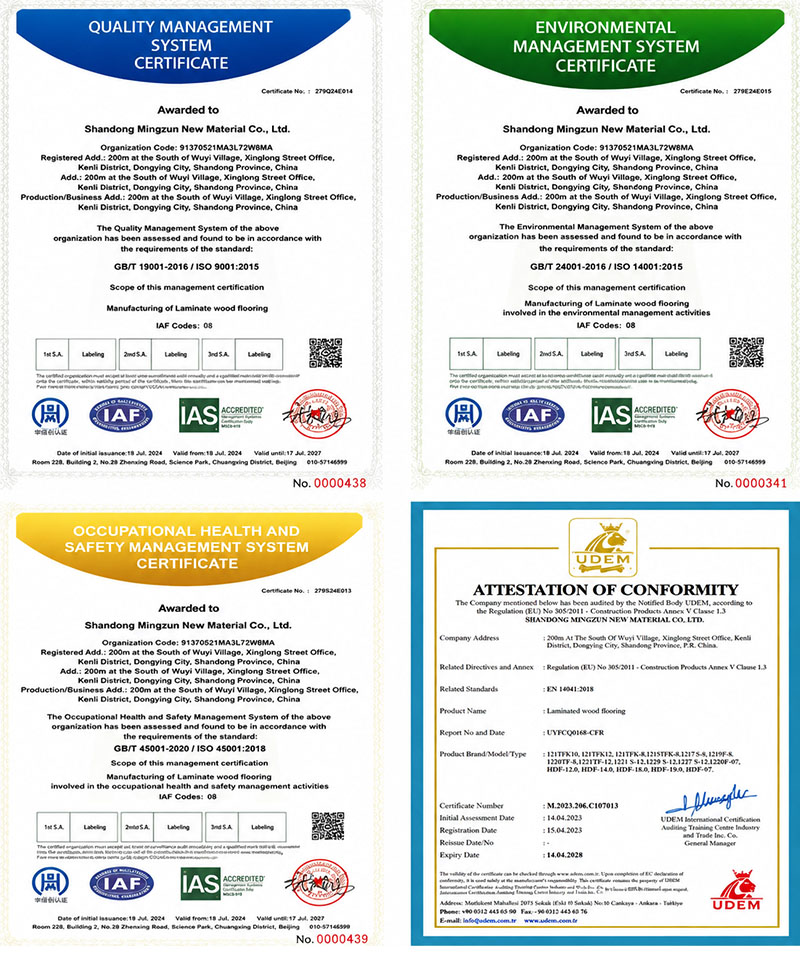
Where specific test standards or certificates are required, buyers should confirm the applicable standard and available test documentation before production.
Customization covers the decorative appearance as well as the physical product configuration.
Buyers should provide the target market, required dimensions, wear class, surface design, packaging requirements and estimated order quantity so production feasibility can be confirmed.
For 12 mm Synchronized EIR Laminate Flooring specifically, confirm the EIR décor and target registration accuracy against the sample before mass production — this is the part of the specification most easily mis-specified when moving between suppliers.
Specified for dry interior environments where a laminate flooring system is suitable. Confirm the wear class against the actual traffic level.
Areas subject to continuous water exposure, standing water or persistent high humidity require a different flooring specification, unless the complete flooring system has been specifically tested and approved for those conditions. This applies to any laminate flooring, including this product.
Certification scope and validity should be confirmed against current certificates and the specific flooring configuration before being used for a project, tender or market-compliance claim.
For distributors, wholesalers and flooring project buyers — the information to confirm before placing a bulk order.
Questions that come up most often during the specification stage for EIR laminate flooring.
EIR stands for Embossed-in-Register. The embossed surface structure is aligned with the printed decorative pattern so the surface texture follows the corresponding wood-grain design.
Standard embossing can use a general surface pattern that is not necessarily aligned with the decorative print. EIR production registers the embossing pattern with the printed design, requiring closer control of the decorative layer and embossing process — and the result is a surface where the relief follows the grain.
A 12 mm board provides a thicker construction than 7 mm, 8 mm or 10 mm options. Buyers may select the thickness according to the required floor structure, locking profile, installation conditions and target application. The thicker board is more often specified for higher-end residential and light commercial interiors.
The listed configurations include HDF core densities of ≥730 kg/m³ and ≥800 kg/m³. The applicable density should be confirmed with the supplier for the selected product specification.
The AC classification indicates the tested abrasion resistance level of the flooring surface. In general, AC3 is used for higher-use residential applications, while AC4 and AC5 are selected for applications with greater traffic requirements. The exact classification should be verified against the applicable test standard.
Yes. OEM and private-label options can include decorative patterns, colours, surface textures, board dimensions, edge profiles and packaging. Custom specifications should be confirmed before production.
It can be used in kitchen areas where the floor remains dry and installation conditions meet the manufacturer's requirements. It should not be considered suitable for areas with continuous water exposure or standing water unless the specific product has been tested for those conditions.
Selected AC4 and AC5 configurations may be considered for commercial interiors depending on the applicable test classification and project requirements. Buyers should match the wear class to the expected traffic level rather than selecting the grade based only on thickness.
Confirm thickness, core density, board dimensions, wear class, EIR design, edge profile, click-lock system, packaging, order quantity and required technical documentation before production.
The supplier normally needs the required thickness, board size, core specification, wear class, decorative design, surface texture, edge profile, click system, packaging format and estimated order quantity.
Provide the required flooring thickness, board size, wear class, decorative pattern, EIR texture, quantity and packaging requirements. We will confirm the product configuration, sample options and applicable technical documents before production. Contact us here.
Address
200 meters south of Wuyi Village, Xinglong Subdistrict Office, Kenli District, Dongying City, Shandong Province, China
Tel